How to send money to Mauritius in 2026: for a flat, for a residence permit and without needless tax
In 2026 money is sent to Mauritius by bank transfer in dollars, euros or pounds: the island has no currency controls, and banks keep accounts in several currencies. For a flat under a scheme for foreigners the money goes from abroad to the notary's account, and the developer gets 85% in rupees.
In short
- No currency controls since 1994, accounts in rupees and foreign currency.
- Homes under the schemes: 85% of the price to the developer in rupees, money from abroad.
- A residence permit through a home from $375,000, for a retiree from $2,000 a month.
- Foreign income is taxed when brought to the island, capital is not.
In detail
How money arrives in Mauritius: 5 routes in 2026
All the routes below were checked on 8 October 2026, and rupees are converted at 47.4 rupees per dollar. Money can be sent in dollars, euros or pounds: the island's banks accept foreign currency and credit it to a currency account with no exchange, and a bank transfer arrives in 1-3 business days.
| Route | Now | Currency credited | Time | What you need |
|---|---|---|---|---|
| Bank transfer from abroad | works | dollars, euros, pounds or rupees | 1-3 business days | a 30-character account number, the bank's international code, the recipient's name |
| Paying for a home through the notary's account | works | foreign currency, 85% to the developer in rupees | on the contract schedule | a reservation agreement, source-of-funds documents |
| Investment by an investor or self-employed person | works | foreign currency to the company's account | within 60 days of the permit | an occupation and residence permit |
| Monthly pension transfer | works | foreign currency or rupees | 1-3 business days | a pension statement |
| Money transfer service | works | rupees | from a few minutes | the sender's and recipient's ID |
Does the sending bank ask questions about a transfer to an island country? There are usually more options than it seems: a manager will choose a route for your amount and purpose.
The sending bank needs the recipient's 30-character international account number, the bank's international code in Mauritius and the name as in the passport. The island's banks keep accounts in rupees, dollars, euros and pounds, so there is no need to exchange currency before sending.
Rupees or a currency account: what to hold money in on the island
Mauritius has had no currency controls since 1994: money comes to the island and leaves it with no permits or quotas, and a resident may hold any amount on a currency account. So capital is kept in the currency it arrived in.
Rupees are needed for spending on the island: rent, school, groceries, utility bills. In 2026 the rate moved between 46.8 and 49.2 rupees per dollar, so living money is exchanged in parts, once a month or a quarter, not all at once. A currency account is opened in the currency of the income: a pension in euros is kept in euros, rent in pounds in pounds, and there is no double exchange.
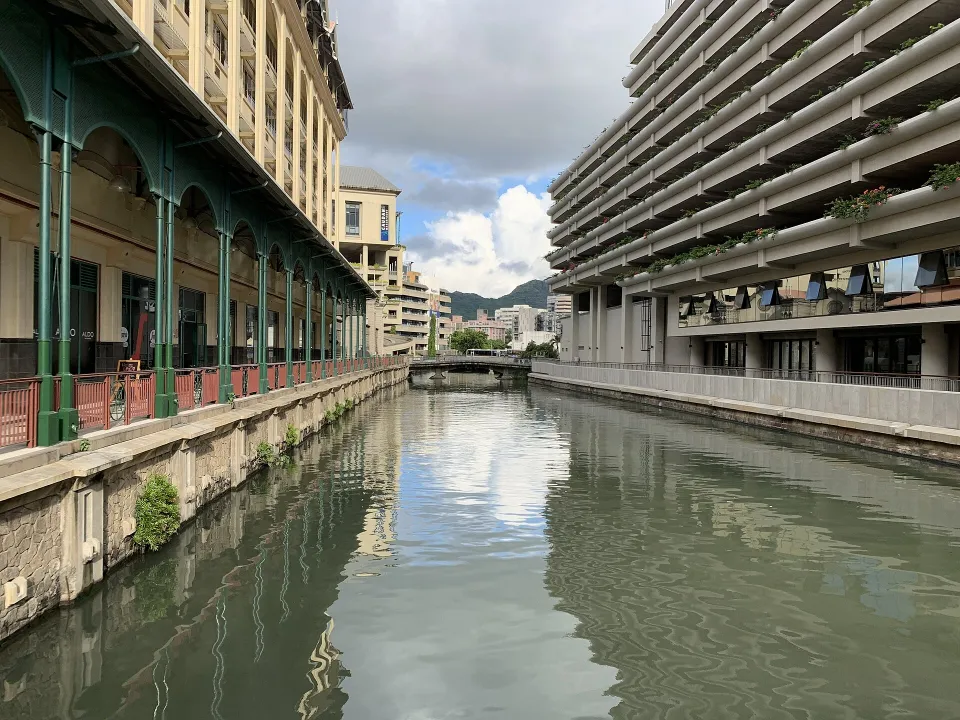
Inside the island money moves fast: since 2019 the central bank's interbank system has moved rupees between accounts at different banks in seconds, around the clock. A sum that arrived from abroad can be sent to a landlord, a school or a notary the same day.
A flat in Mauritius: foreign currency from abroad, 85% to the developer in rupees
Since 13 December 2024 homes under construction in schemes for foreigners have been paid for in one way. The buyer transfers money from abroad in dollars, euros or another freely convertible currency to the notary's account. The notary pays the developer 85% of the price in rupees, and the other 15% in foreign currency or rupees, as the buyer chooses.
Example: a villa under a scheme for $400,000. The whole sum arrives in foreign currency, the notary exchanges $340,000 into rupees (about 16.1 million at 47.4) and pays the developer, while $60,000 is paid as the buyer prefers. The 5% registration duty, $20,000, is paid by the notary in foreign currency, and the deed is registered within 8 days.
A purchase from $375,000 (17.8 million rupees) gives a residence permit to the buyer, spouse and children for as long as the home stays in their ownership. A foreigner can buy a flat in a building of three or more storeys from 6 million rupees ($130,000) with the Economic Development Board's approval, but it gives no right of residence.
For a home over $750,000, part of the price can be borrowed from a bank on the island: the first $750,000 arrives from abroad, and the loan is repaid in foreign currency. A manager will suggest how to split the transfer into the deposit, the balance and the duty before the reservation agreement, and properties are collected on the property in Mauritius page.
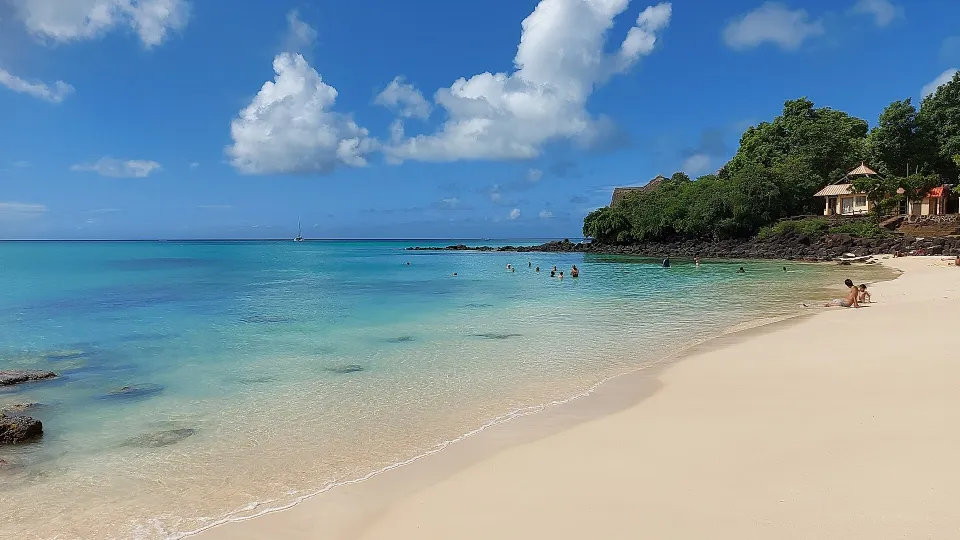
Prices by area and deal costs are covered in buying a flat in Mauritius, and all grounds for residence are on the Mauritius residence permit page.
We will help you send money to Mauritius
Mistakes cost more than fees: paying for a flat from a relative's account instead of the buyer's, a year's income sent to the island together with savings so that tax is charged on the whole sum, an investor's investment that arrives after the 60 days. We will help you avoid them: we will choose the route and currency, prepare source-of-funds documents for the bank and the notary in Mauritius and carry out the transfer until it is credited.
Details and cost are with a manager in the chat: the price depends on the amount and the purpose of the transfer.
Tax when income is brought into Mauritius: income and capital are treated differently
A resident of Mauritius is someone who spent 183 days on the island in a tax year running from 1 July to 30 June, or 270 days over 3 years. Their foreign income is taxed only when the money is brought to the island: the rate is 0%, 10% or 20%, and on income above 12 million rupees ($260,000) a 15% levy is added until 30 June 2028.
Capital is treated differently. Savings built up before the move, money from selling a flat and an inheritance are transferred tax-free: Mauritius does not tax capital gains or inheritance. Salary, interest, dividends and rent from abroad during life on the island are income, and tax on them is paid for the year the money arrived. The tax year on the island starts on 1 July, so an income transfer at the end of June and one at the start of July fall into different years and are counted separately.
So before the move, capital and current income are kept on separate accounts: a statement showing that savings arrived answers the tax office's questions. A manager will suggest how to split the transfers so that tax is paid only on income. Rates and levies are collected on the taxes in Mauritius page.
Transfers for a residence permit: a pension, an investment in a company, remote work
A retiree aged 50 or over receives a 10-year permit by transferring at least $2,000 a month (94,800 rupees) or $24,000 a year to an account at a bank in Mauritius. For a permanent residence permit, a retiree shows transfers to the island of at least $200,000 over 5 consecutive years. A pension is easiest to transfer by standing order from the bank in the country that pays it: even monthly amounts are easy to show at renewal.
An investor puts at least $100,000 into a company on the island and a self-employed person at least $50,000 into their business, and the money arrives from abroad within 60 days of the permit being issued. A transfer within this period keeps the permit, so the source-of-funds file is put together before the application.
Those who work for a foreign employer or their own clients can use the premium visa of up to 1 year with an income of at least $1,500 a month: the conditions are on the Mauritius premium visa page.
From a transfer to family to the price of a villa: which papers you need
- Up to $10,000. The bank on the island checks the name, the account number and the payment purpose. Nothing else is needed for rent, study or family support.
- $10,000-100,000. The bank asks for a 3-6 month statement and a document for the purpose: a lease, a school invoice, a donor's letter or a pension certificate.
- From $100,000. The bank and the notary examine the source of the whole capital: the sale of a business or a flat, an inheritance, income over the years. For an investor's investment, the Economic Development Board reviews the same documents.
The general rules are in proof of source of funds and sending large sums abroad, and a plan for all your capital is on the capital relocation page.
Where money goes from the island: France, the UAE, the United Kingdom
3 destinations come up more often than others: Mauritius speaks French and English, and direct flights link the island with Paris, Dubai and London. There are no currency controls on the way out either, so capital leaves the island in the currency it is held in.
- To France: children's study and homes in Paris.
- To the UAE: business and a second home in Dubai.
- To the United Kingdom: universities and accounts in London.
Sending money to nearby countries
- How to send money to India: family and business across the ocean
- How to send money to Singapore: large sums and private banking
- How to send money to the Seychelles: Indian Ocean islands
- How to send money to Madagascar: the large neighbour across the Mozambique Channel
- How to send money to the Comoros: euros and francs to family on the islands
- How to send money to the Maldives: dollars or rufiyaa in 1-3 days
How to move your capital to Mauritius in full without losing on taxes is covered on the capital relocation page.
FAQ
Is a transfer of savings to Mauritius taxed?
In which currency is a flat under construction in a scheme for foreigners in Mauritius paid for?
How much must a retiree transfer for a residence permit in Mauritius?
Does Mauritius have currency controls?
Can a foreigner take out a mortgage in Mauritius?
We will suggest the best way to send your money
We will choose a transfer method for your amount and country, prepare the documents on the origin of the money for the bank, make the transfer through licensed partners and follow it until the money is credited. Ask your question in the chat - the manager will suggest the best terms and the cost. The legal side with banks and government bodies is handled by Murblz specialists and locally licensed partners.
Details and cost are with the manager in the chat. Describe your situation and we will reply right away.
Check transfer termsHow we handle a transfer: 4 stages → · Country rules checked