El Salvador: all programs
Citizenship, residence, taxes and visas for El Salvador - in one place. Not sure what fits? We will help you choose.
Country programs
What you can get in El Salvador
El Salvador at a glance
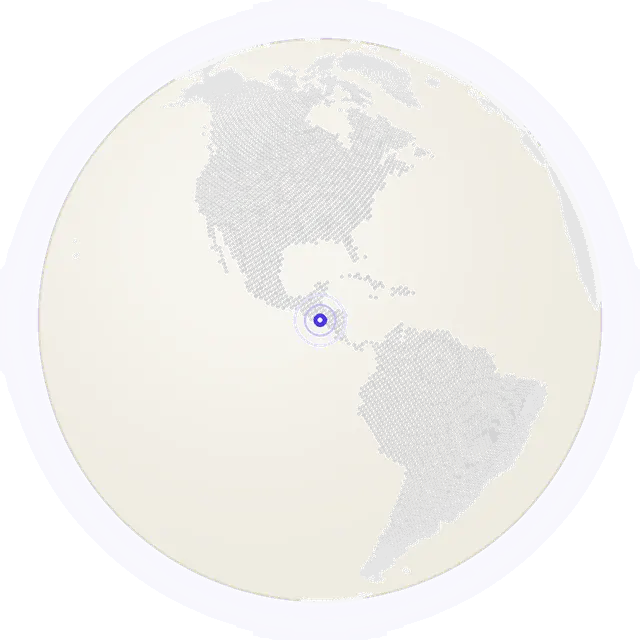
El Salvador is the smallest and most densely populated country in Central America, with about 6.3 million people on the Pacific coast between Guatemala and Honduras. The capital is San Salvador and the language is Spanish. The official currency since 2001 is the US dollar, and bitcoin became legal tender in 2021, though acceptance has been voluntary since 2025.
The economy rests on remittances from relatives in the US, about a quarter of GDP, garment manufacturing, services, coffee and sugar, while tourism is growing thanks to the surf coast and volcanoes. Since 2022 the country has been known for a sharp drop in street crime.
Who the move suits
- holders of large crypto capital with a clean history, for whom there is a programme with a fast track to a passport;
- retirees and people with foreign income who value the dollar, a warm climate and affordable living;
- surfers and remote workers who want to live by the ocean;
- entrepreneurs working with Central America and the US.
It is harder for those who do not speak Spanish and expect developed urban infrastructure: without a car and the language life here is difficult.
Where to live
- San Salvador - the Escalón and San Benito districts with restaurants, malls and embassies, with the satellite city of Santa Tecla nearby.
- The La Libertad coast - the surf beaches of El Tunco and El Zonte, 40-60 minutes from the capital, with many foreigners and remote workers.
- Santa Ana - the country's second city in the west, near volcanoes and coffee plantations, cheaper than the capital.
- Suchitoto - a colonial town by a lake, calm and popular with retirees.
Entry rules
Whether you need a tourist visa depends on your passport; citizens of Russia, for example, do not. The passport must be valid for at least 6 months from entry, and border officers may ask for a return ticket and travel funds. From Europe people fly via Madrid, and from elsewhere via US and Mexican cities; transit through the US requires a US visa. For long-term living you apply for temporary residence at the migration service.
The first 30 days in the country
- Housing. For the first weeks people rent a flat in Escalón or San Benito, or by the ocean in La Libertad, and sign a long lease after viewing. Rent is higher in gated communities.
- Documents. Temporary residence requires police clearance certificates, civil status certificates and proof of income, apostilled and translated into Spanish. The apostille is issued in the country of origin, so the papers are prepared before arrival.
- Account. The bank asks for a passport and resident document, proof of address, the tax number of your country of residence, a reference letter from your current bank and an explanation of why you need the account. Documents are signed at a branch.
- Car. Public transport is weak; in the city people use app-based taxis, and living outside the city requires a car.
- Language. English is not widely spoken: banks, notaries and the migration service work in Spanish.
- Taxes. You are tax resident if you live in the country more than 200 days a year. Foreign income is not taxed even then.
Budget for the first 3 months
| Item | Amount |
|---|---|
| Rent for a one-bedroom flat in a good district of the capital for 3 months | $1,800-3,000 |
| One person's expenses without rent for 3 months | $2,200-2,300 |
| Utilities and internet for 3 months | ~$530 |
| Rental deposit, car, apostilles and translation of documents | at market rates |
One person needs from $4,500 for three months; a family needs more. Everything is priced in US dollars, so there is no exchange-rate risk. A manager will do the full calculation for your family in the chat.
Residence options
- Temporary residence - for retirees and people living on foreign income, contract workers, investors and spouses of citizens, issued for a year with renewal;
- permanent residence - after several years of temporary residence;
- the programme for large investors - a contribution of $1,000,000 in bitcoin or a dollar stablecoin, no more than 1,000 participants a year, residence and a fast track to citizenship, see El Salvador citizenship by investment;
- citizenship by naturalisation - after 5 years of residence, shorter for people born in Spain and Latin America.
Documents include police certificates, civil records and proof of income, apostilled and translated into Spanish. We assemble the package, file it and guide you through every stage.
Taxes
El Salvador taxes only local-source income: since the 2024 reform foreign dividends, interest and capital gains are not taxed for residents or non-residents. A resident is someone living in the country more than 200 days a year. A resident's local income is taxed at rates up to 30% with small incomes exempt, and non-residents pay 30%. Corporate tax is 30%, 25% for small businesses, and VAT is 13%. How crypto is taxed is covered in our article on crypto tax in El Salvador.
Cost of living
| Item, per month | US dollars |
|---|---|
| One-bedroom flat in a good district of the capital | 600-1,000 |
| One-bedroom flat in the centre, average | 740-900 |
| Single person's spending excluding rent | 710-760 |
| Utilities for a small flat | about 130 |
| Home internet | about 45 |
All prices are in US dollars, so there is no currency risk for dollar incomes. Local food and groceries are cheap, a car is almost essential, and electricity is a noticeable cost because of air conditioning.
Property for foreigners
Foreigners buy urban property on the same terms as locals: a notary handles the deal and ownership is registered in the national registry. Rural land has restrictions: the constitution lets a foreigner own it if their country grants the same right to Salvadorans. On the coast demand is growing around La Libertad and the surf beaches, and in the capital in gated communities. We find the property, check the land status and registry and close the deal.
Banks
Banks operate in US dollars, so an account carries no exchange-rate risk for a dollar holder. Accounts are opened for those with a link to the country: living there, property or business.
- Documents: passport and resident document, proof of address, the tax number of your country of residence, source-of-funds documents and a reference letter from your current bank.
- Process: a file translated into Spanish, a branch visit to sign and verify identity, then online banking and cards.
- Reasons for refusal: no link to El Salvador, inflows without a clear origin, including from crypto exchanges, and incomplete tax residence details.
For money from crypto the bank asks for detailed proof of the source of funds. We help open a personal or business account.
Safety
Since March 2022 a state of exception has been in force and is regularly extended: tens of thousands of suspected gang members have been detained, homicides have fallen several times over, and on this measure El Salvador has become one of the calmest countries in Latin America. The other side is that human rights groups criticise mass detentions and restricted rights, and police may check documents. Everyday risks are petty theft and road accidents.
Climate and daily life
The climate is tropical at 25-32°C all year, with a rainy season from May to October. The country has around twenty volcanoes and earthquakes happen, so buyers check construction quality. English is not widely spoken in daily life, so Spanish is needed from the first weeks.
Popular questions
FAQ about El Salvador
Do I need a visa for El Salvador?
What currency is used in El Salvador?
Is foreign income taxed in El Salvador?
Is it safe to live in El Salvador?
How much does living in El Salvador cost?
How many years until El Salvador citizenship?
Where is best for a foreigner to live in El Salvador?
How much money do I need for the first three months in El Salvador?
Can a foreigner open a bank account in El Salvador?
What documents are needed for temporary residence in El Salvador?
Do I need Spanish to live in El Salvador?
How do you get to El Salvador?
How much must be invested in El Salvador?
Is it citizenship straight away or residence?
Do I have to live in El Salvador?
How many places are there?
Can my family be included?
How is the origin of crypto checked?
What to do when you visit
What to see in San Salvador
Plaza Gerardo Barrios
The capital's main square, ringed by the cathedral, the National Palace, and the National Theatre.
Catedral Metropolitana
The metropolitan cathedral with its vivid mosaic facade by artist Fernando Llort, a symbol of the city.
Palacio Nacional
An early 20th-century neoclassical palace, now a museum tracing El Salvador's history as a nation.
Museo Nacional de Antropología David J. Guzmán
The country's leading anthropology museum, with finds from the pre-Columbian Maya and Pipil cultures.
MARTE - Museo de Arte de El Salvador
The national museum of modern art, with a permanent collection of Salvadoran painting from the 20th and 21st centuries.
Parque Cuscatlán
One of the city's largest parks, home to a memorial to civil-war victims and shaded walking paths.
What can El Salvador offer you?
Tell us your goals - we compare El Salvador's citizenship by investment programme, residence and company registration, check your documents and handle the application.