Dominican Republic: all programs
Citizenship, residence, taxes and visas for Dominican Republic - in one place. Not sure what fits? We help you choose the route and prepare the documents.
Country programs
What you can get in Dominican Republic
Dominican Republic at a glance
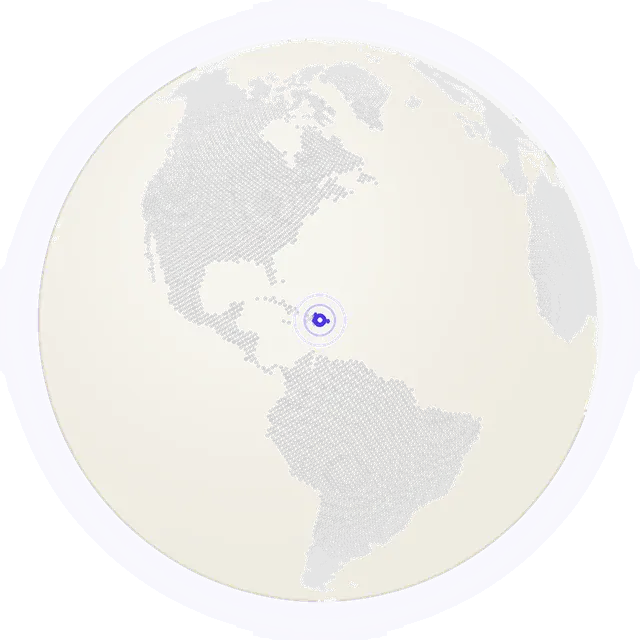
The Dominican Republic occupies the eastern two-thirds of the island of Hispaniola in the Caribbean, with Haiti in the west. About 11 million people live in the country, and the capital Santo Domingo is the largest city in the Caribbean. The economy is one of the fastest-growing in Latin America: tourism, free trade zones, mining, agriculture and remittances from Dominicans abroad. The official language is Spanish, the currency is the Dominican peso, and dollars are widely accepted in tourist areas.
The country attracts with beaches, a warm climate all year, moderate prices and one of the region's most accessible residence permits: income thresholds for retirees and rentiers are low, and a resident's foreign income is not taxed in the first years.
History and government
Columbus landed on the island in 1492, and Santo Domingo became the first European-founded city in the New World; its colonial zone is a UNESCO site. The country declared independence from Haiti in 1844. Dictator Trujillo ruled from 1930 to 1961, and after the 1965 civil war the country gradually moved to stable democracy. Today it is a presidential republic with regular elections and one of the region's highest economic growth rates over the past twenty years.
How to move in 2026
| Route | Condition | Term |
|---|---|---|
| Rentier residence | steady foreign income from $2,000 a month | temporary, renewable |
| Retiree residence | pension from $1,500 a month | temporary, renewable |
| Dependants | plus $250 a month for each | together with the applicant |
| Investor residence | investment from $200,000 in a business or property | temporary, renewable |
| Employment | employment contract with a Dominican company | for the term of work |
Citizens of many countries enter the Dominican Republic as tourists without a visa, paying a fee on departure for a longer stay. There is no separate visa for remote workers; it is only being discussed. For residence you prepare a passport, police certificate, birth and marriage certificates and proof of income, apostilled and translated into Spanish, and in the country you pass a medical exam and give biometrics. The process takes several months. More on the page Dominican Republic digital nomad visa.
Rules for specific nationalities
Entry to the Dominican Republic depends on the passport.
- Russia. Russian citizens enter as tourists without a visa and pay a fee on departure for a longer stay.
Taxes
The system is territorial: local-source income is taxed, and a resident's foreign income is not, except foreign investment and financial gains, which are taxed only from the third year of residence. Income tax is 15%, 20% and 25% on income above the tax-free 416,220 pesos a year, about $6,890, and the threshold will rise to 480,000 pesos from 2027. Corporate tax is 27% and VAT 18%. More on the page Taxes in the Dominican Republic.
Property
Foreigners buy property on the same terms as locals. The buyer pays a 3% transfer tax on the price or the tax office valuation, whichever is higher, plus legal fees and title checks, usually 1-1.5% of the price. The annual tax is 1% on the total value of property above a tax-free threshold, about 10.7 million pesos or about $177,070 in 2026, with a 50% discount for retirees and rentiers. The places most popular with foreigners are Punta Cana, Las Terrenas on the Samaná peninsula, the north coast around Puerto Plata and Santo Domingo's business districts. Before buying, the title in the registry and the developer's permits must be checked.
Business and companies
A foreigner can register a company and own it fully. Export-oriented companies in free trade zones receive tax incentives, tourism projects can obtain incentives under the tourism development law, and others pay 27% corporate tax. Local salaries are low, about $600-650 a month after tax, so people usually move with foreign income or their own business.
Cost of living
| Item | Per month |
|---|---|
| One-bedroom apartment in central Santo Domingo | ~$620-730 |
| One-bedroom apartment outside the centre | ~$310-350 |
| Utilities for an 85 m² apartment | ~$93 |
| Single person's costs without rent | ~$620-650 |
| Family of four's costs without rent | ~$1,850-2,340 |
Prices come from two independent price databases for 2026, converted at the Central Bank of the Dominican Republic average rate of 5 October 2026, 60.43 pesos per dollar. In the resorts of Punta Cana and Las Terrenas rent for foreigners is higher than in the capital.
Where to live
- Santo Domingo - the capital with the Piantini and Naco business districts, private clinics and international schools. More in the Santo Domingo guide.
- Punta Cana - the resort east with beaches, golf courses and an international airport.
- Las Terrenas - a town on the Samaná peninsula with a large foreign community.
- North coast - Puerto Plata, Sosúa and Cabarete with beaches and kitesurfing.
- Jarabacoa - mountains in the centre of the country, cooler and calmer.
Practicalities
- Climate. Tropical, around 25-32 degrees all year, with hurricane season from June to November.
- Language. Spanish; English is spoken in resorts.
- Electricity. Power cuts occur in some areas, so housing is chosen with a generator.
- Safety. Some areas are unsafe in the evening, and foreigners live in guarded complexes.
- Healthcare and schools. Private clinics through insurance, bilingual and international schools in the capital and resorts.
Leisure
The Dominican Republic has some of the best beaches in the Caribbean: Punta Cana, Bayahibe, Saona Island and the Samaná beaches, where humpback whales can be seen from January to March. The Jarabacoa mountains offer waterfalls and rafting, the north has kitesurfing in Cabarete, and Pico Duarte is the highest peak in the Caribbean islands.
Who the Dominican Republic suits
The country suits retirees and rentiers with foreign income from $1,500-2,000 a month, investors in resort property and entrepreneurs in tourism. You need to be ready for Spanish in daily life, traffic and power cuts. Murblz specialists choose the basis for residence, prepare documents, check property and support the application. A consultant in the chat will calculate the cost of support.
Services
Murblz services in the Dominican Republic
A passport or residence permit opens the door, but life behind it is awkward without a bank account and a roof over your head. Murblz specialists help with the account, property and company in the same country. The quote is fixed in writing before work starts.
Popular questions
FAQ about Dominican Republic
Do you need a visa for the Dominican Republic?
What income is needed for Dominican residence?
Can a foreigner buy property in the Dominican Republic?
Is foreign income taxed in the Dominican Republic?
What is the income tax in the Dominican Republic in 2026?
What are the corporate tax and VAT in the Dominican Republic?
Does a remote worker pay tax on a foreign salary?
What is the tax on selling property in the Dominican Republic?
What does owning property in the Dominican Republic cost?
What to do when you visit
What to see in Santo Domingo
Zona Colonial
The first European city in the New World, a UNESCO site of 16th-century cobbled streets.
Catedral Primada de América
The Americas' first cathedral, built in the 1540s in a Gothic-Renaissance style.
Alcázar de Colón
The residence of Columbus's son, now a museum of colonial-era furniture and art.
Calle El Conde
The old town's pedestrian main street, lined with shops, cafés and street musicians.
Malecón de Santo Domingo
A long Caribbean seafront promenade that comes alive in the evenings and on weekends.
Museo de las Casas Reales
The former governors' palace, housing the story of the island's colonial administration.
How to send money to the Dominican Republic in 2026 →
We can help with the transfer: ask in the chat.
Which Dominican Republic residence should you choose?
Tell us about your income and plans - we compare residence for retirees, rentiers and investors in the Dominican Republic, go through tax and prepare the documents.