São Tomé and Príncipe: all programs
Citizenship, residence, taxes and visas for São Tomé and Príncipe - in one place. Not sure what fits? We help you choose the route and prepare the documents.
Country programs
What you can get in São Tomé and Príncipe
São Tomé and Príncipe at a glance
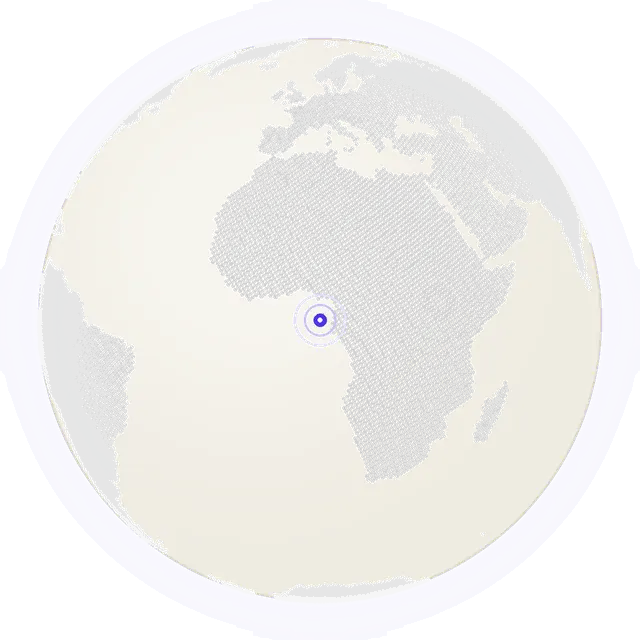
São Tomé and Príncipe is an island nation in the Gulf of Guinea off the west coast of Africa, the continent's second-smallest country after the Seychelles. It consists of two large volcanic islands and several islets, with a population of about 230,000; the capital is the city of São Tomé. The equator passes through the islet of Rolas in the south. The economy rests on cocoa, coffee, fisheries, tourism and support from international partners.
The official language is Portuguese, and the currency is the dobra, firmly pegged to the euro. For foreigners the country is interesting above all for its citizenship-by-contribution programme, running since August 2025, as well as quiet, nature and almost empty beaches.
History and government
The Portuguese discovered the uninhabited islands in the 1470s and turned them into a colony with sugar, and later coffee and cocoa plantations. In the early 20th century São Tomé was one of the world's largest cocoa producers, and old plantation houses still stand across the island. The country gained independence on 12 July 1975, moved to a multi-party system in 1990 and is now considered one of Africa's most stable democracies, with peaceful transfers of power at elections.
Citizenship and entry in 2026
| Parameter | Condition |
|---|---|
| Contribution to the National Transformation Fund | from $90,000 for a single applicant, $95,000 for a family of up to 4 and $5,000 for each additional member |
| Application fee | $5,000 |
| Due diligence | decision in 1.5-2 months; the whole path to a passport takes about 6 months |
| Residence and language | no need to live in the country or know Portuguese |
| Dual citizenship | allowed |
The programme is based on a 2022 law and a 2025 decree, and the first passport under it was issued in January 2026. The contribution is non-refundable and paid after preliminary approval and due diligence. In 2026 the only nationality restriction applies to citizens of North Korea, and entry rules depend on your passport: details are in the rules for specific nationalities below. More on the page São Tomé and Príncipe citizenship by investment.
Rules for specific nationalities
Citizens of Russia can apply for São Tomé and Príncipe citizenship, but their source-of-funds and sanctions checks are strict, so income papers are prepared for every transfer. They enter the country visa-free for up to 15 days and obtain an e-visa for longer trips. There are no direct flights from Russia: the route goes via Lisbon, Accra or Luanda.
How the citizenship process works
- We check whether the programme suits your family and collect documents: passports, police certificates for 5 years from countries of citizenship and residence, proof of address, source of funds documents, birth and marriage certificates.
- Documents are translated into Portuguese or English, apostilled and filed through a licensed programme agent and a diplomatic mission: direct applications are not possible.
- The programme's government unit checks all applicants aged 16+ and agrees the decision with the prosecutor's office within 1.5-2 months.
- After preliminary approval the contribution is paid to the National Transformation Fund.
- Each family member receives their own passport; the whole process takes about 6 months.
Taxes
Income tax is progressive with a top rate of 25%. Corporate tax is 25%. Since 1 June 2023 the country has had a VAT with a standard rate of 15%. Citizenship alone does not make a person a tax resident of São Tomé and Príncipe: taxes are paid in the country of actual residence, so the programme passport serves as a backup document without changing tax residence.
Property
The property market is small: after independence much of the land passed to the state, and foreigners more often obtain long-term use rights or leases than full land ownership. Deals are executed in Portuguese before a notary, so a local lawyer is essential. Housing for foreigners is let mainly by hotels and guesthouse owners, and long-term rentals are negotiated directly with owners.
Business and companies
The main employers are the state, international organisations, hotels and tour companies, and cocoa and coffee plantations. Foreigners most often invest in small eco-lodges, guesthouses and chocolate production from local cocoa. An investment law offers tax incentives for larger projects, but the market is small, and documents and deals are prepared only in Portuguese.
Cost of living
| Item | Per month |
|---|---|
| One-bedroom apartment in central São Tomé | ~$266 |
| One-bedroom apartment outside the centre | ~$183 |
| Petrol, per litre | ~$1.77 |
| Average salary after tax | ~$271 |
There is little open price data, so these are benchmarks from a 2026 price database. The currency is the dobra, 24.5 dobras per euro, about 21.9 dobras per dollar at the European Central Bank rate of 5 October 2026. Local fruit, fish and cocoa are cheap, while manufactured goods and fuel are imported and expensive. ATMs are few and foreign cards do not work everywhere, so people bring cash euros.
Where to live
- São Tomé city - the cathedral, presidential palace, market, banks and small hotels. More in the São Tomé guide.
- Coast near the capital - beach hotels and guesthouses north and south of the city.
- Príncipe island - a UNESCO biosphere reserve with quiet eco-lodges, reached by a short flight.
Practicalities
- Getting there. Flights via Lisbon, Accra and Luanda.
- Climate. Equatorial, warm and humid all year, with a dry season from June to September.
- Health. There is a malaria risk and limited healthcare; serious problems are treated in Portugal, so insurance with evacuation is needed.
- Language. Portuguese and local creoles; little English is spoken.
Leisure
The country's main asset is nature: Obô National Park with cloud forest and the volcanic Pico Cão Grande, waterfalls, old cocoa plantations where you can see chocolate being made, and beaches without crowds. From July to October humpback whales pass the coast, and from November to March sea turtles come ashore to lay eggs.
Who São Tomé and Príncipe suits
The country suits those who need an affordable second passport without relocating and while keeping their current citizenship, as well as lovers of quiet nature holidays. It is too small for permanent family life: few flights, weak healthcare and a limited choice of goods and services. The passport is new, so before applying it is worth assessing which travel it really opens. Murblz specialists compare citizenship programmes for your passport and budget and support the application. Our consultant calculates the cost of support in the chat.
Services
Murblz services in São Tomé and Príncipe
A passport or residence permit opens the door, but life behind it is awkward without a bank account and a roof over your head. Murblz specialists help with the account, property and company in the same country. The quote is fixed in writing before work starts.
Popular questions
FAQ about São Tomé and Príncipe
Do you need a visa for São Tomé and Príncipe?
What currency is used in São Tomé and Príncipe?
Does a São Tomé passport make you a tax resident there?
What are the taxes in São Tomé and Príncipe?
How much does São Tomé and Príncipe citizenship cost?
Do you have to live in São Tomé and Príncipe to get citizenship?
Who can be included in a São Tomé and Príncipe application?
How long does São Tomé and Príncipe citizenship take?
When do you pay the São Tomé and Príncipe contribution?
Does the São Tomé and Príncipe programme have nationality rules?
What to do when you visit
What to see in São Tomé
Sé Catedral de Nossa Senhora da Graça
One of the oldest cathedrals in sub-Saharan Africa, painted white and ochre in the heart of the city.
Palácio Presidencial
An elegant colonial building on the waterfront - closed to visitors but a favourite photo from the square.
Fort São Sebastião & National Museum
A 16th-century Portuguese fort now housing exhibits on the slave trade, colonial history and voodoo culture.
Mercado Municipal
A lively covered market selling exotic fruit, fish and spices straight off boats and trucks.
Ana Chaves Bay
The city's main waterfront and harbour, a spot for evening walks overlooking fishing canoes.
Roça Água Izé
One of the island's oldest cocoa plantations near the capital, a living relic of the colonial cocoa boom.
How to send money to São Tomé and Príncipe in 2026 →
We can help with the transfer: ask in the chat.
São Tomé and Príncipe: a new passport by investment?
Tell us about your family and goals - we compare the São Tomé and Príncipe citizenship programme with other countries, check documents and source of funds and handle the application.