Malta: all programs
Citizenship, residence, taxes and visas for Malta - in one place. Not sure what fits? We help you choose the route and prepare the documents.
Country programs
What you can get in Malta
Murblz services here
Malta at a glance
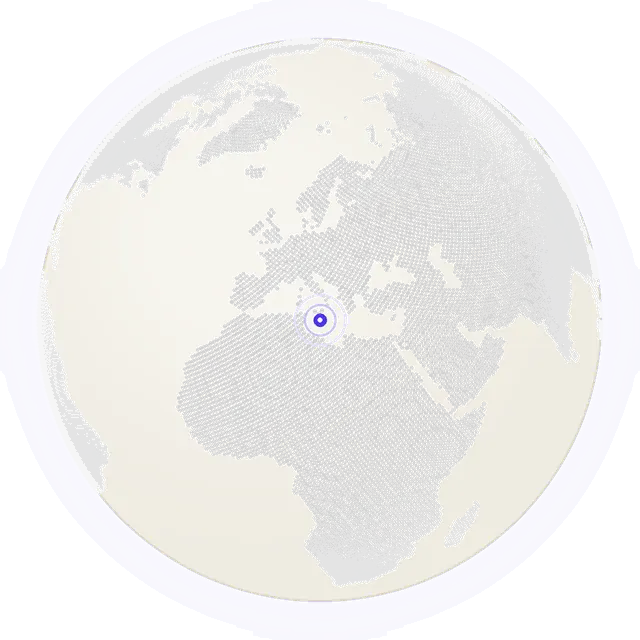
Malta is the smallest member state of the European Union: three inhabited islands, Malta, Gozo and Comino, in the middle of the Mediterranean between Sicily and Africa, with about 570,000 residents. The capital is Valletta. Malta joined the European Union in 2004, the Schengen Area in 2007 and adopted the euro in 2008. The official languages are Maltese and English, and public services, courts, schools and business correspondence all work in English.
The economy rests on financial services, online gaming, tourism, aircraft maintenance and ship registration. Malta is one of the most densely populated countries in the world, so the islands have a lot of construction, heavy traffic and expensive rents, but the sun shines most of the year and the sea is close from anywhere.
History and government
Over the centuries the islands were held by the Phoenicians, Romans, Arabs, the Knights Hospitaller, the French and the British. The Knights built Valletta in the 16th century after the Great Siege of 1565. Malta became independent from Britain in 1964 and a republic in 1974.
It is a parliamentary republic: the president is elected by parliament and has a mostly ceremonial role, and the government is led by the prime minister. The British period left left-hand traffic, English in official life and a mixed legal system with strong British influence.
How to move in 2026
The main routes for citizens from outside the European Union:
- The Nomad Residence Permit for people working remotely for a foreign employer or their own foreign company, with income from €42,000 a year, about $47,100. The fee is €300 per person, and the first term is one year with renewals. Details are on the Malta nomad visa page.
- Permanent residence by investment: €99,000 in fees, contribution and donation, about $111,000, plus a property purchase from €375,000 or a lease from €14,000 a year, and capital of at least €500,000. Details are on the Malta residence and permanent residence page.
- The Global Residence Programme, a special tax status: 15% on foreign income remitted to Malta, with a minimum tax of €15,000 a year. You must buy a home from €275,000 or rent from €9,600 a year, with lower thresholds in Gozo and the south.
- Employment: the employer applies for a single residence and work permit through Malta's immigration agency.
Malta no longer grants citizenship by investment: in April 2025 the Court of Justice of the European Union ruled the programme contrary to European Union law, and it was closed. Naturalisation remains: usually you must live in Malta for the year before applying and for at least four of the six years before that, and the final decision rests with the minister. Details are on the Malta citizenship page.
Taxes
A resident domiciled in Malta pays tax on worldwide income at rates from 0 to 35%: the first €12,000 a year is tax-free and the 35% rate applies above €60,000. Residents who are not domiciled in Malta, which covers almost all foreigners who move there, pay only on Maltese income and on foreign income remitted to the island. If foreign income is €35,000 a year or more, the minimum tax is €5,000. Foreign capital gains are not taxed for them even if the money is brought into Malta.
Corporate tax is 35%, but after dividends are paid shareholders reclaim most of it, so the effective burden is usually around 5%. The standard VAT rate is 18%. Nomad permit holders pay no tax for the first 12 months and 10% of income after that. There is no annual property tax. Details are on the Malta taxes page.
Property
A citizen from outside the European Union needs a government permit to buy a home, and the permit comes with a minimum property price. With the permit you can buy one property to live in. In Special Designated Areas, large seafront complexes and marinas, no permit is needed: foreigners buy on the same terms as Maltese buyers, can own several properties and can rent them out.
Buyers pay 5% stamp duty on the price, notary fees and registration. The market splits into the expensive Sliema and St Julian's waterfront and much cheaper Gozo and the south of the island. Our investment property team handles property search, developer checks and the transaction.
Cost of living
Malta is no longer a cheap island. A one-bedroom apartment in popular areas rents from €900 a month, about $1,010, and sea-view flats in Sliema and St Julian's cost considerably more. Excluding rent, a single person needs about €800 a month, about $900, and a family about €2,800, about $3,140.
Foreigners usually take private health insurance and send children to private or international schools taught in English. The state keeps electricity tariffs stable, so bills are lower than in most European Union countries, and public transport is free for residents with a transport card.
Where to live
Most newcomers live in Sliema and St Julian's: the promenade, shops, offices and the ferry to Valletta. Valletta suits those who want a historic city with few cars and quiet evenings. Gżira and Msida are cheaper and close to the university and the main hospital. Families often choose quieter northern areas such as Mellieħa or the centre of the island, while Gozo, reached by ferry, offers a calmer life and lower property prices.
Practicalities
After the residence permit is issued, a foreigner receives a residence card, a tax number and a social security number. Opening a Maltese bank account is possible, but source-of-funds checks are strict and can take weeks, so prepare income documents in advance. Traffic drives on the left and roads are congested, so many people live close to work and use buses and ferries.
Summers are hot and humid, usually above 30°C in the daytime from June to September. Winters are mild, but older houses without heating can be damp and chilly, so ask about air conditioners with heating when renting.
Who Malta suits
Malta suits remote workers and entrepreneurs who want an English-speaking European Union island with clear tax rules, families looking for European Union permanent residence by investment, and people living on foreign income who can pay tax only on remitted amounts. It suits less well those who want to buy a passport or are looking for space and quiet: the islands are small and densely built. We will compare the options, prepare the documents and handle the application; our consultant in the chat will calculate the cost of support.
Services
Murblz services in Malta
A passport or residence permit opens the door, but life behind it is awkward without a bank account and a roof over your head. Murblz specialists help with the account, property and company in the same country. The quote is fixed in writing before work starts.
Popular questions
FAQ about Malta
Do you need a visa for Malta?
What taxes does a foreigner who moves to Malta pay?
What income is needed for Malta's nomad permit?
Can a foreigner buy property in Malta?
Can you get Maltese citizenship by investment in 2026?
How can you get Maltese citizenship in 2026?
How much did Malta citizenship by investment cost before it was abolished?
Why was Malta's citizenship by investment programme closed?
What happens to people who already got Maltese citizenship by investment?
What happened to applications filed before the EU court ruling?
What to do when you visit
What to see in Valletta
St. John's Co-Cathedral
A lavish Baroque interior holding Caravaggio's masterpiece 'The Beheading of Saint John the Baptist'.
Grand Master's Palace
The former seat of the Knights of Malta's grand masters, now home to the country's president.
Upper Barrakka Gardens
A hilltop terrace over the Grand Harbour, famous for its midday saluting battery cannon fire.
Fort St. Elmo & National War Museum
The stronghold of the 1565 Great Siege, now telling the island's military history.
National Museum of Archaeology
Home to the famed 'Sleeping Lady' figurine and artefacts from Malta's megalithic temples.
Republic Street (Triq ir-Repubblika)
The city's main pedestrian spine, lined with shops and cafes down to a harbour view.
How to send money to Malta in 2026 →
We can help with the transfer: ask in the chat.
Malta: permanent residence, a nomad visa or a company?
Tell us your budget, work and business - we compare permanent residence by investment, the remote work visa and a Maltese company, go through tax and prepare the documents.