Vietnam: all programs
Citizenship, residence, taxes and visas for Vietnam - in one place. Not sure what fits? We will help you choose.
Country programs
What you can get in Vietnam
Vietnam at a glance
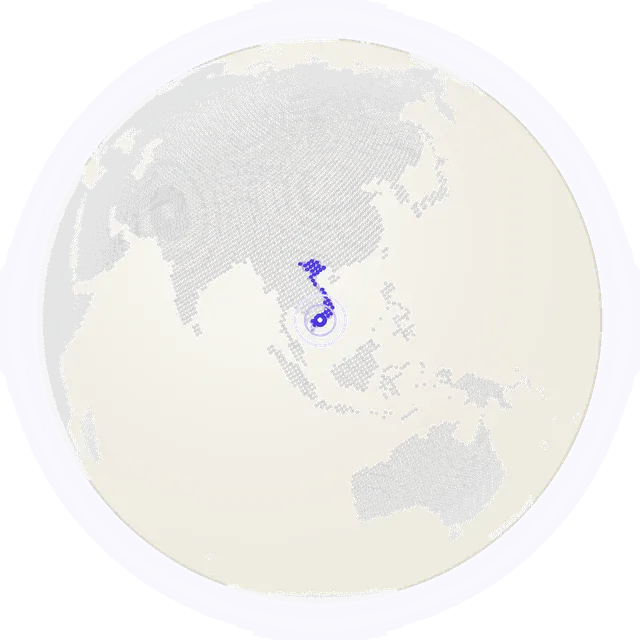
Vietnam is a Southeast Asian country along the South China Sea coast with more than 100 million residents. The capital is Hanoi, the largest business city is Ho Chi Minh City, and by the sea are Da Nang and Nha Trang. The language is Vietnamese, and the currency is the dong, about 25,966 dong per dollar on 6 October 2026.
The economy is one of the fastest-growing in Asia: electronics, textiles, manufacturing for major global companies, custom software development and tourism.
Who the move suits
- remote workers and freelancers who value affordable living, warmth and the sea;
- entrepreneurs working with manufacturing in Vietnam;
- professionals and English teachers with a local contract;
- families ready for Asian daily life and international schools in big cities.
Entry for Russian citizens
Russian citizens need no visa for trips of up to 45 days. An e-visa for up to 90 days is issued online, single or multiple entry. Vietnam has no separate visa for remote workers, so many live on e-visas and leave the country when they expire.
Residence options
- Work permit and residence card - through a Vietnamese employer;
- investor - a residence card through your own company, with the term depending on the investment;
- family - residence cards for spouses and children of status holders and Vietnamese citizens.
We help choose the basis, register a company and obtain the residence card.
Taxes
You become a tax resident after 183 days in the country and then pay tax on worldwide income at 5% to 35%. Non-residents pay 20% on Vietnamese income. Corporate tax is 20%, 15-17% for small businesses, and VAT is 10%, with an 8% rate for many goods and services until the end of 2026. More in taxes in Vietnam.
Cost of living
| Item, per month | Dong | US dollars |
|---|---|---|
| One-bedroom flat in an expat district of Hanoi | 18.2-31.2 million | 700-1,200 |
| Simpler serviced apartment | 9.1-20.8 million | 350-800 |
| Single person's spending including rent | 31.2-46.8 million | 1,200-1,800 |
Street food is very cheap, while imported groceries, wine and international schools cost as much as in Europe. Da Nang and Nha Trang are cheaper than Hanoi and Ho Chi Minh City.
Where to live
- Hanoi - the capital with four seasons, where the Tay Ho district by West Lake is popular with foreigners.
- Ho Chi Minh City - the largest business city, hot all year, with the most jobs.
- Da Nang - sea, beaches and a calm pace, chosen by remote workers and families.
- Nha Trang - a resort city popular with Russian speakers.
Property for foreigners
Vietnam lets foreigners own housing but not land: all land belongs to the state. A foreigner buys a flat or house only in a commercial housing project outside defence and security zones, with ownership granted for 50 years and renewable for another 50. Foreigners together may own no more than 30% of the flats in one building. Buying does not grant residence. We find the property and help with company registration and a business account.
Popular questions
FAQ about Vietnam
How long can you stay in Vietnam without a visa?
Does Vietnam have a visa for remote workers?
Can a foreigner buy a flat in Vietnam?
How much does living in Vietnam cost?
What taxes does a Vietnamese resident pay?
What taxes do foreigners pay in Vietnam?
What is the income tax rate in Vietnam in 2026?
What is the VAT rate in Vietnam and can tourists get it back?
Do I have to pay tax in Vietnam if I work remotely for a foreign company?
How much tax does a sole trader pay in Vietnam?
What are the taxes on cars in Vietnam?
What to do when you visit
What to see in Hanoi
Hoan Kiem Lake
A romantic lake at the very centre of the city, home to the red Huc Bridge and the legend of the emperor's magic sword.
Temple of Literature
Vietnam's first university, founded in the 11th century, with quiet courtyards and stelae honouring top scholars.
Ho Chi Minh Mausoleum
A stark granite monument holding the embalmed body of Vietnam's first president, a symbol of modern national history.
Vietnam Museum of Ethnology
One of Southeast Asia's best museums, devoted to Vietnam's 54 ethnic groups with full-scale traditional house reconstructions.
Hoa Lo Prison
A former French colonial prison later nicknamed the 'Hanoi Hilton' - a sobering but essential chapter of the city's history.
Old Quarter (36 Streets)
A maze of narrow streets, each historically dedicated to a single craft, from silk to silverware.
Interested in Vietnam?
Message our Telegram bot - an expert will match a program to your goal and budget. Free.