Iceland: all programs
Citizenship, residence, taxes and visas for Iceland - in one place. Not sure what fits? We help you choose the route and prepare the documents.
Country programs
What you can get in Iceland
Iceland at a glance
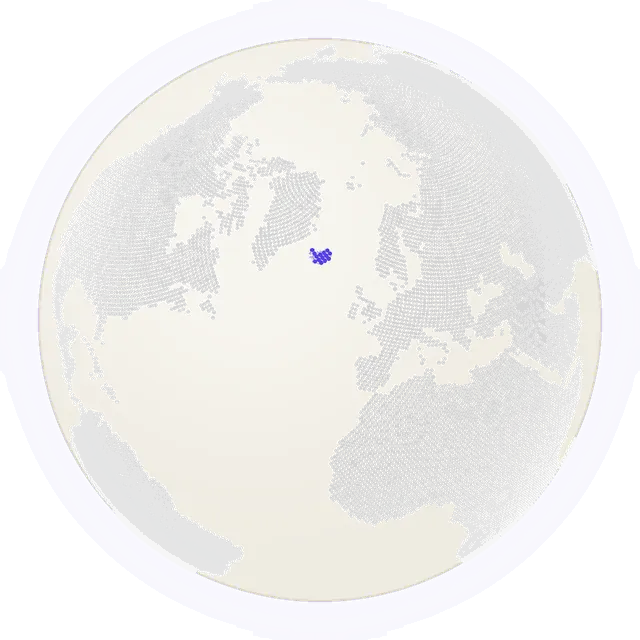
Iceland is an island in the North Atlantic with about 400,000 residents, more than half of them in Reykjavik and its surroundings. The country is not in the European Union but belongs to the European Economic Area and the Schengen area. The language is Icelandic, and almost everyone speaks fluent English. The currency is the Icelandic krona, about 122 kronur per dollar on 6 October 2026.
The economy rests on tourism, fishing, aluminium smelting and data centres: cheap geothermal and hydro power attracts energy-intensive industry. Living standards and wages are high, and crime is among the lowest in the world.
Who the move suits
- citizens of European Economic Area countries, who move freely;
- specialists for whom an Icelandic employer found no candidate in Europe;
- families who value safety, nature and a strong social system;
- owners of energy-intensive businesses and data centres.
For remote workers and people with passive income from other countries, Iceland has been almost closed since May 2026.
Entry and visas
Citizens of European Economic Area countries enter and settle freely. Citizens of visa-exempt countries can stay up to 90 days in any 180 without a visa; others need a Schengen visa, and since November 2025 Schengen countries have mostly issued single-entry visas to Russian citizens. Living and working require a residence permit obtained before the move. Keflavík international airport is 50 kilometres from the capital, with flights via European cities.
Residence options
- Skilled employment - a permit is granted if the employer found no candidate in the European Economic Area.
- Family reunification and study - separate grounds.
- The remote worker visa - abolished from 12 May 2026: it was replaced by a short-term permit of up to 180 days once every 12 months for visiting relatives, artists, scientists and athletes, and remote work for a foreign company is no longer on the list.
Citizenship is generally granted after 7 years of living in the country with knowledge of Icelandic. For those who wanted a Nordic country for remote work, we find a European Union nomad programme with an income threshold half the former Icelandic one.
The first 30 days and a 3-month budget
In Iceland almost everything is tied to a personal ID number: rent, a bank account, salary, tax, a phone. So the first step after arrival is to register your legal domicile with the national registry and get the number. Next come electronic ID for public services, a bank account, telling your employer how to apply your personal tax credit, and registration with a health centre. Look for housing before the move: flats are scarce, and without an address your domicile cannot be registered.
The immigration service requires an income of at least about $2,200 a month per adult. In practice a single person in Reykjavik needs more: rent for a one-bedroom flat alone is $1,900-2,500, and the deposit can reach three months' rent. A realistic reserve for the first three months is from $12,000 for one person: rent, deposit and living costs.
Permanent residence and citizenship
A permanent residence permit is granted after 4 years of continuous residence in Iceland on a permit that leads to it, such as a work or family permit. You must complete at least 150 lessons of Icelandic or pass a test, support yourself and have housing. Student and short-term permits do not count towards the period.
Citizenship under the general rule comes after 7 years of residence, sooner for spouses of Icelandic citizens and for Nordic citizens. An Icelandic test is mandatory, and you can keep your previous citizenship.
Taxes
Income tax together with the average municipal tax runs from 31.49% to 46.29%, and about 72% of the median salary is left after tax. Dividends and interest are taxed at 22%, corporate profit at 20%, VAT is 24%, and there is no wealth tax. Foreign specialists pay no tax on 25% of their salary for 3 years. You become a tax resident when you register a domicile or after 183 days in 12 months, and the liability continues for 3 years after leaving. More in taxes in Iceland.
Cost of living
| Item, per month | US dollars |
|---|---|
| One-bedroom flat in Reykjavik | 1,900-2,500 |
| One-bedroom flat in the centre | up to 2,900 |
| Bus pass | 100 |
| Minimum income per adult under immigration rules | 2,200 |
Groceries, restaurants and alcohol are among the most expensive in Europe, but geothermal heating and hot water are cheap. Flats are scarce and leases are often short-term.
Property for foreigners
Citizens of European Economic Area countries and people living in Iceland buy property on general terms. A foreigner who does not live in the country and has no European Economic Area rights needs permission from the Minister of Justice under the real property ownership act. Almost all demand is in Reykjavik and its suburbs. We find the property and prepare the permission application.
Companies and banks
The director and half the board of an Icelandic company must live in Iceland or the European Economic Area, and others, including citizens of countries outside the EEA, need a ministry exemption. Banks open accounts after registration in the national registry. We help with company registration, a business account and a personal account.
Accounts and money
Icelandic banks are supervised by the Central Bank. A resident with an ID number, passport and address gets an account quickly. Those who have not yet moved are given a system ID number at the request of an employer or bank, but the range of services on it is narrower. A non-resident with no link to Iceland rarely gets an account: the bank will ask for a convincing purpose.
Capital controls were lifted in 2017 and money moves abroad freely. Cash is hardly used: cards and phones are accepted almost everywhere.
Climate and daily life
The climate is maritime: winters around zero, windy and dark, with about four hours of daylight in December, and cool summers at 12-14°C, with almost no darkness in June. Geothermal outdoor pools are in every district and serve as places to relax. Cities have only buses, and many people drive. Public healthcare works well once you are registered in the country.
Services
Murblz services in Iceland
A passport or residence permit opens the door, but life behind it is awkward without a bank account and a roof over your head. Murblz specialists help with the account, property and company in the same country. The quote is fixed in writing before work starts.
Popular questions
FAQ about Iceland
Can you move to Iceland and work remotely?
Do I need a visa for Iceland?
How much is rent in Reykjavik?
Can a foreigner buy a home in Iceland?
How many years until Icelandic citizenship?
How much money do I need to move to Iceland?
How do I get permanent residence in Iceland?
How do I open a bank account in Iceland?
Do I need health insurance to move to Iceland?
What taxes do you pay in Iceland in 2026?
How much tax do you pay on a salary in Iceland?
What is the average salary in Iceland after tax?
How does the Icelandic tax system work?
How can you legally reduce taxes in Iceland?
How do I get a tax refund in Iceland?
What to do when you visit
What to see in Reykjavik
Hallgrímskirkja
A church inspired by the basalt columns of Icelandic lava, with an observation deck overlooking the whole city.
Harpa Concert Hall
A glass-clad concert hall on the harbor whose facade shimmers like the northern lights.
National Museum of Iceland
The country's full story, from Viking settlement to the present, packed into one compact building.
Blue Lagoon
The famous geothermal spa with milky turquoise water, about half an hour outside the city.
Laugavegur
The main shopping street, lined with wool sweaters, design shops, and bars for every taste.
Reykjavik Roasters
A local favorite roasting its own beans in a cozy space well away from the tourist crush.
How to send money to Iceland in 2026 →
We can help with the transfer: ask in the chat.
Could you live in Iceland?
Tell us about your work and income - we check whether the long-term remote work visa or another route to living in Iceland fits and prepare the documents.