How to send money to Serbia in 2026: euros, dollars or dinars in 1-5 business days
In 2026 money goes to Serbia by bank transfer in 1-5 business days and is credited in euros, dollars or dinars, in the currency of the recipient's account. The sender needs a 22-character number and the name as the Serbian bank holds it. From $10,000 the bank checks where the money comes from before crediting it.
In short
- A bank transfer to a Serbian account takes 1-5 business days, in euros, dollars or dinars.
- The sender needs the 22-character account number in the transfer currency and the recipient's name as the bank holds it.
- A non-resident opens an account with a passport, and some banks do it by video call.
- Interest on dinar deposits is tax-free, and deposits are insured up to $56,000 (€50,000).
In detail
Which route suits which purpose, in 2026:
| What the money in Serbia is for | Transfer route | What to bring for the bank |
|---|---|---|
| Rent and living costs for the first months | euros to your own foreign currency account, exchanged into dinars as you spend | passport and lease; purpose: transfer of own funds |
| Helping family | a transfer to their account in euros or dinars; without an account, a money transfer service | the name as the bank holds it and the account number; for cash pickup without an account, the recipient's passport |
| Buying a flat | euros in one payment to your own account, then to the seller under the contract | sale and purchase agreement, statements, the sale contract for your previous home |
| Proceeds from selling a home in your home country | a bank transfer to your own foreign currency account | the sale contract and a statement showing the payment for the flat received |
| A job or your own business in Serbia | a transfer to a dinar account for spending in the country | an employment contract or company documents |
The most convenient way to send money to Serbia in 2026 is a bank transfer to your own account at a Serbian bank: a non-resident can open accounts in dinars and in euros, and some banks verify identity by video call. An international transfer takes 1-5 business days, there is no tax on incoming money, and interest on dinar deposits is not taxed.
| Method | In 2026 | Received in | Limit | Timing | What you need |
|---|---|---|---|---|---|
| International bank transfer to your own account | works | euros, dollars or dinars | Serbian law sets no limit; the bank credits a large sum after a check | 1-5 business days | an account in your name, the payment purpose, documents on the origin |
| Instant payment within Serbia | works around the clock | dinars | between accounts at Serbian banks | seconds | an account at a Serbian bank |
| Money transfer service | works | euros or dinars | the operator sets the limit per operation | from minutes to 1 business day | the recipient's passport |
| Foreign bank card | works for spending | dinars when paying | daily limits of the card-issuing bank | immediately | a card |
Euros are converted to dollars at the European Central Bank rate on 7 October 2026, 1.1177 dollars per euro, rounded up. The channels were checked on 8 October 2026.
We will review your situation for free
Describe your task in the chat and we will tell you where to start.
A transfer to a Serbian account: opening by video call or in one visit
A non-resident may hold a dinar account and a foreign currency account at a Serbian bank, receive money from abroad on them and send it back out. Some banks verify identity by video call, others see you at a branch; with the documents ready the account is opened in one visit. The bank will ask for:
- passport and, if you have one, residence permit;
- an address in Serbia and proof of where you have lived over the past year;
- a document on the origin of the money: statements for 6-12 months, an income certificate, a sale contract;
- the purpose of the account: rent, work, buying a home, your own business.
To receive a transfer from abroad, the recipient needs an international account number of 22 characters: two letters of the country code, two check digits and 18 digits of the bank and account code. A non-resident's dinar and foreign currency accounts have different numbers, so give the sender the number of the account in the currency of the transfer.
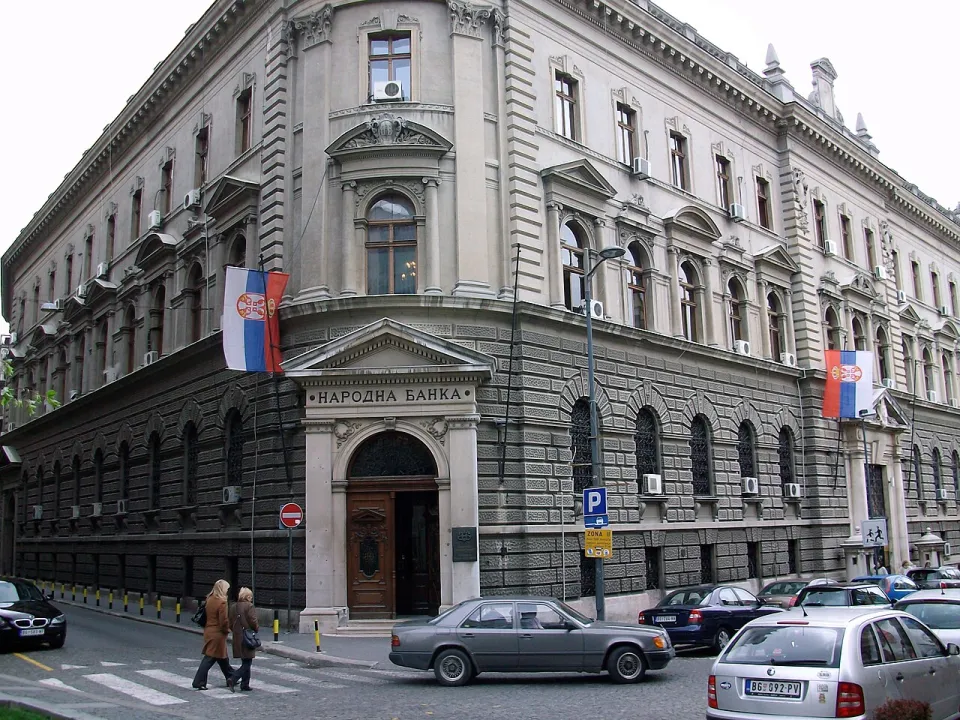
In the first year of stay a foreigner is a non-resident for the bank. Once they receive a residence permit and have lived in Serbia for more than a year, the bank moves them to a resident account.
Choosing where to open an account without visiting a branch? A manager will tell you which banks will accept you by video call and what to prepare for the call.
Euros in Serbia: how people pay for homes and rent
Serbia is not in the European Union, but prices for homes and rent are often quoted in euros. Payment goes through a bank: property and services within the country are paid by non-cash transfer, in dinars at the exchange rate or by a transfer in euros under the contract. So money for a flat or rent is best kept on a euro account and exchanged into dinars as needed.
Example: a flat in Novi Sad for $120,000 (€100,000). The buyer transfers euros to their own foreign currency account at a Serbian bank in one payment with the contract as the purpose, attaches statements and the sale contract for their previous home, and pays the seller by transfer under the contract after signing at the notary. A small test payment goes before the main one to check the details.
Since 2018 the National Bank of Serbia's instant payments have worked within the country: in dinars between accounts at Serbian banks, around the clock - this is how people pay for utilities, rent and purchases.
A flat in Serbia: reciprocity and the residence permit
A foreigner buys a home in Serbia on the basis of reciprocity with their country, and payment goes only through a bank: the money is sent to your own account at a Serbian bank or directly to the seller under the contract, together with documents on the origin of the funds. An owned home is one of the grounds for a temporary residence permit.
Buying a flat and transferring a large sum? A specialist will tell you how to set up the payment under the contract so the bank credits it the first time. In detail: property in Serbia, how to buy a flat in Serbia and Serbian residence permit.
Interest in Serbia: dinars tax-free, foreign currency at 15%
Serbia has no tax on incoming money. Interest on dinar deposits is not taxed, while the bank withholds 15% from interest on foreign currency deposits. A Serbian tax resident is someone whose home or centre of business and personal interests is here, or who has spent 183 days in the country within 12 months.
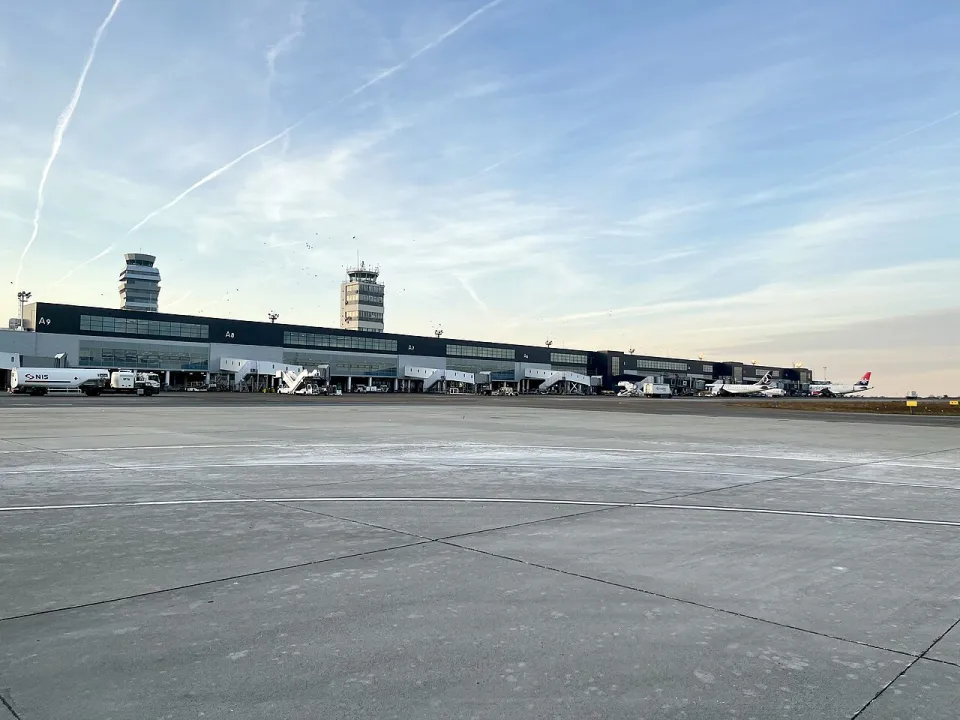
Deposits are insured up to $56,000 (€50,000) per depositor at each bank, non-residents included, and payouts begin within 7 business days. More on taxes on the taxes in Serbia page.
Which documents you need for a transfer to Serbia, by amount
- Up to $10,000. Money for living costs and rent arrives on your own account on the bank details and payment purpose.
- From $10,000 to $100,000. A Serbian bank checks the origin of a large transfer from abroad before crediting it: statements, an income certificate, a sale or gift contract.
- Over $100,000. You need the full chain from earnings to the sender's account, and for buying a home, the contract and confirmation of reciprocity. Routes for sums from $100,000 are in our capital relocation section.
If a direct transfer from your bank does not go through, there are usually more options than it seems: a manager will find a legal route for your amount. How to prove the source of money is covered in source of funds explained, and the papers for a big transfer in sending a large sum abroad.
Onward from Serbia: Germany, Kazakhstan, Georgia
A euro account at a Serbian bank also works for onward transfers: from Serbia money most often goes to Germany, Kazakhstan and Georgia by bank transfer, and the Serbian statement of the credited payment becomes part of the documents on the origin of the money for the bank in the next country.
- To Germany - euros under European rules
- To Kazakhstan - tenge and dollars
- To Georgia - an account opened with a passport
Sending money to neighbouring countries
- Bulgaria - the euro since 2026
- Bosnia and Herzegovina - the mark at 1.95583 per euro
- North Macedonia - the denar is pegged to the euro, gifts within the first line of kinship are tax-free
- Montenegro - the euro since 2002 and a flat on the coast
- Croatia - the euro since 2023 and homes by the sea
- Moldova - euros under European rules
We handle moving capital to the Balkans and Europe as part of our capital relocation service.
FAQ
How do I send money to Serbia and how long does the transfer take?
Can I send money to Serbia through my bank's app, without going to a branch?
Can I open an account at a Serbian bank by video call?
Is interest on a dinar deposit taxed?
Can a foreigner buy a flat in Serbia?
How much of a deposit is returned if a Serbian bank fails?
When does a foreigner in Serbia become a resident for the bank?
Can I pay for a flat in Serbia in euros?
We will suggest the best way to send your money
We will choose a transfer method for your amount and country, prepare the documents on the origin of the money for the bank, make the transfer through licensed partners and follow it until the money is credited. Ask your question in the chat - the manager will suggest the best terms and the cost. The legal side with banks and government bodies is handled by Murblz specialists and locally licensed partners.
Details and cost are with the manager in the chat. Describe your situation and we will reply right away.
Check transfer termsHow we handle a transfer: 4 stages → · Country rules checked
Programs