How to send money to the British Virgin Islands in 2026: dollars, a company, a trust and a villa
Money is sent to the British Virgin Islands in US dollars, the islands' official currency since 1959, so there is no exchange on crediting. Island companies more often hold accounts in Hong Kong, Singapore or Switzerland, individuals pay no income, gift or inheritance tax, and a villa buyer without local status needs a land licence and pays 12% duty.
In short
- The official currency is the US dollar, and there is no central bank.
- Personal taxes on income, gifts and inheritance are 0%.
- Stamp duty on buying a home is 12% for a buyer without local status.
- Payroll tax for those working on the islands is 8% for the employee, with the first $10,000 a year tax-free.
In detail
How money reaches the islands: 5 routes in 2026
The British Virgin Islands have no currency of their own, so all amounts and timings in the table are in US dollars. Data checked on 8 October 2026 against the websites of the islands' government and the Financial Services Commission.
| Route | Now | Currency | Time | What you need |
|---|---|---|---|---|
| Bank transfer to an account at a local bank | works | US dollars with no exchange | 1-3 business days | international bank code, account number, recipient name |
| Transfer to an island company's account in another country | works | the currency of the company account | 1-3 business days | a contract or the company's invoice, details of the company owner |
| Contribution to a trust through the trustee's account | works | US dollars or the trust currency | per the trust deed schedule | trust deed, documents on the origin of the capital |
| Paying for a villa through the transaction lawyer's account | works after the land licence | US dollars | per the contract schedule | purchase contract, licence, the lawyer's details |
| Money transfer system | works | US dollars | from a few minutes | sender's and recipient's ID |
For a private individual the first row is the main one, for a business owner the second. If the sender's bank takes long to check a transfer to the islands, there are usually more options than it seems: tell a manager about your situation, and they will choose a route for the amount.
The US dollar is the islands' local currency
Since 1959 the official currency of the British Virgin Islands has been the US dollar. The islands have no central bank; banks and wealth managers are licensed by the Financial Services Commission. For the sender this means a dollar transfer arrives on the account in the same currency, with no exchange and no currency losses on the spot.
Shop prices, rent and electricity bills are in dollars, so money from a dollar account in another country is spent on the islands directly. The bank converts a transfer in euros or pounds into dollars on crediting, so from Europe it pays to buy dollars from your own bank in advance and send those.
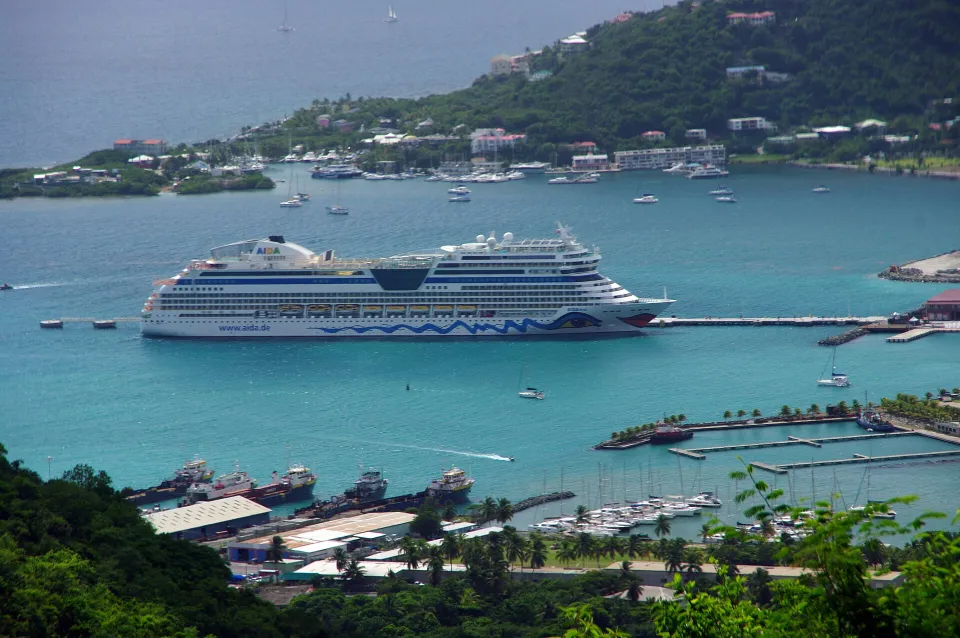
There are few retail banks on the islands, and almost all are in Road Town on Tortola. The recipient takes the account number and the bank's international code from their statement, and for a transfer through a US correspondent bank its code also goes into the details.
Money for a Virgin Islands company: the account is more often in another country
Of the 5 routes in the table above, business owners need the second. Most companies registered on the islands hold their account not where they are registered but at a bank in Hong Kong, Singapore, Switzerland or the Emirates. So for a business a transfer to the British Virgin Islands often means a transfer to an island company's account in another country, and the rules are set by that country's bank.
A bank in any country receiving money for such a company checks 3 things: the contract or invoice behind the payment, the company's real owner and whether the purpose matches its business. Details of company owners are held in a closed register on the islands, and the bank asks the company itself for the same data.
To transfer dividends or a loan from the company to your personal account you need a director's resolution and a company statement. How registering a company on the islands works is described on the company in the British Virgin Islands page. Need to send money to an island company? We will advise how best to send it for your contracts and the company's bank.
A trust on the islands: how to transfer capital into it
A British Virgin Islands trust has 3 parties: the settlor who transfers the capital, a trustee licensed by the Financial Services Commission and the beneficiaries for whom the trust is set up. Families choose a trust to decide in advance who gets the money and when, without dividing an estate at a notary. Capital goes into the trust by transfer to the trustee's account or the trust's own account, and securities and company shares by separate agreements.
Before the first transfer the trustee checks the settlor as strictly as a bank does: where the capital came from, what the settlor does, who will receive the money. The transfer follows the schedule written in the trust deed, and each contribution comes with a letter from the settlor. More on the trust is on the British Virgin Islands trust page.
Taxes in the British Virgin Islands: gifts, inheritance, salary
The islands charge 0% tax on personal income, capital gains, gifts and inheritance. Money you send to yourself, your relatives or a trust is not subject to local tax, and neither is the interest on it.
The only income tax is payroll tax for those working on the islands: the first $10,000 a year is tax-free, on the rest the employee pays 8%, and the employer 2% or 6% depending on the size of the business. Taxes in the country where you are tax resident are worked out under its rules, and a bank on the islands sometimes needs your tax number from that country.
A villa on the islands: a land licence and 12% duty
A buyer without local status obtains a land holding licence before the title passes, and it is issued for a specific property. The application goes to the Ministry of Natural Resources with references, bank letters and a police certificate. The licence takes 2-4 months, and the purchase contract usually gives the buyer up to 12 months to obtain it.
Stamp duty on a purchase is 12% of the price or market value, whichever is higher, and 4% for local residents. The same licence and rate apply if the home is bought by a company controlled by a foreign owner. Example: a villa on Virgin Gorda for $1.5 million costs $180,000 in duty, and it is paid before registration in the land register.
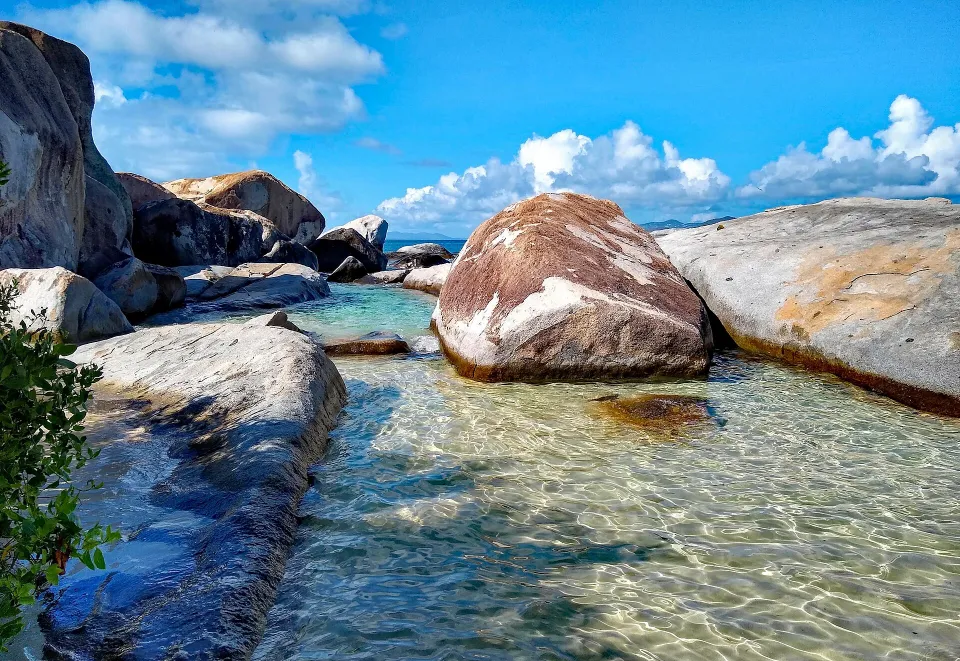
The deposit is sent to the transaction lawyer's account after the contract is signed, and the rest of the price and the duty once the licence is ready. Transfer terms for the deal dates are available from a manager in advance, and properties on the islands are collected on the property in the British Virgin Islands page.
We will help you send money to the British Virgin Islands
Mistakes cost more than fees: the rest of a villa price sent before the land licence is ready, a payment to an island company with no contract so a bank in another country holds the money, a trust contribution with no file on the origin of the capital. We will help you avoid them: we choose a route for your amount, prepare documents for the bank or trustee and carry out the transfer until the money is credited.
Details and cost are with a manager in the chat: the price depends on the amount and the route.
The larger the sum, the more papers: three levels for a bank on the islands
- Up to $10,000. The bank checks the recipient's name, the account number and the purpose. To pay rent or help relatives nothing more is needed.
- $10,000-100,000. The bank asks for the sender's account statement and a document matching the purpose: a contract, an invoice, a donor's letter. For a company, the contract with the counterparty.
- From $100,000. The bank, the trustee or the transaction lawyer look into the origin of the whole capital: the sale of a business or flat, an inheritance, dividends over the years.
Is the bank asking you to explain where the money came from? A manager will advise which papers a bank or trustee on the islands will accept. The general rules are in proof of source of funds and sending large sums abroad, and a plan for the whole capital is on the capital relocation page.
Onward from the Virgin Islands: Hong Kong, Singapore, Switzerland
Of the 4 destinations below, the first three are countries where island companies most often hold accounts, and the fourth is a route for those moving their company. Money leaves the islands under the same rules as it arrives: in dollars and through a US correspondent bank, and the destination country's bank looks at the same chain of documents.
- To Hong Kong: a company account and settlements in yuan.
- To Singapore: a family office and wealth managers.
- To Switzerland: a private bank for a trust.
- To the Emirates: moving a company to a free zone.
Sending money to nearby countries
- How to send money to the Cayman Islands: a home and a deposit for residence
- How to send money to Bermuda: the Bermuda dollar one to one
- How to send money to the USA: dollars and a correspondent bank
- How to send money to the Bahamas: a dollar one to one with the US dollar
How to spread capital across islands and financial centres is covered on the capital relocation page.
FAQ
Does a bank in the British Virgin Islands convert euros into dollars on crediting?
Is gifted money taxed in the British Virgin Islands?
How much duty does a foreigner pay when buying a villa in the British Virgin Islands?
Does a foreigner need a licence to buy a home in the British Virgin Islands?
Must an island company hold its account on the islands themselves?
We will suggest the best way to send your money
We will choose a transfer method for your amount and country, prepare the documents on the origin of the money for the bank, make the transfer through licensed partners and follow it until the money is credited. Ask your question in the chat - the manager will suggest the best terms and the cost. The legal side with banks and government bodies is handled by Murblz specialists and locally licensed partners.
Details and cost are with the manager in the chat. Describe your situation and we will reply right away.
Check transfer termsHow we handle a transfer: 4 stages → · Country rules checked