How to send money to the Cayman Islands in 2026: dollars, buying a home and a residence permit
Money goes to the Cayman Islands in US dollars: the rate is fixed at $1.20 per Cayman dollar, and banks keep accounts in both currencies. There is no tax on income, gifts or inheritance. From 1 January 2026 the duty on a home from $2.4 million is 10% instead of 7.5%, and residence starts from a $1.2 million investment.
In short
- The rate is fixed: 1 Cayman dollar = $1.20.
- Tax on income, capital gains, gifts and inheritance is 0%.
- The duty on a home is 7.5%, and from a price of 2 million Cayman dollars ($2.4 million) it is 10% on the whole sum.
- A 25-year residence permit needs an investment from 1 million Cayman dollars ($1.2 million) on Grand Cayman.
In detail
A transfer to the Cayman Islands: routes and timing on 8 October 2026
The Cayman dollar is fixed at $1.20, so all the sums below are converted without rate swings: 1 million Cayman dollars is always $1.2 million. The table was checked on 8 October 2026.
| Route | Now | Currency | Time | What you need |
|---|---|---|---|---|
| Bank transfer in US dollars | works | dollars to a dollar account | 1-3 business days | the bank's international code, the account number, the recipient's name |
| Transfer in euros or pounds | works with exchange | US dollars or Cayman dollars | 2-3 business days | the same details, the recipient bank's exchange rate |
| Payment within the islands | works | Cayman dollars | the same day | the recipient's account number at a local bank |
| Money transfer service | works | Cayman dollars or US dollars | from a few minutes | the sender's and recipient's documents |
| Paying for a home through the deal lawyer's account | works | US dollars or Cayman dollars | on the contract schedule | the purchase contract and the lawyer's details |
Almost all large sums reach the islands in US dollars: local banks keep accounts in both currencies at once, and no exchange is needed. If the sender's bank is slow with a transfer to an offshore jurisdiction, there are usually more options than it seems: tell a manager where you are sending from and how much, and they will choose a route.
A US dollar transfer from any country passes through a correspondent bank in the United States, and every bank along the way sees the payment purpose. The more precisely it is written (payment for a home under a contract of a given date, a deposit, a gift to a daughter), the faster the money clears checks and the less often the bank on the islands asks questions after crediting.
The Cayman dollar: $1.20 with no swings
The Cayman dollar is fixed at 1.20 US dollars, and it is issued by the Cayman Islands Monetary Authority. The reverse rate is 0.83 Cayman dollars per US dollar. Shops and restaurants accept US dollars on a par with local money, usually at 0.80 Cayman dollars, so for purchases on the islands it is better to pay by card in Cayman dollars.
For a transfer this means one thing: holding money in US dollars is as reliable as holding it in Cayman dollars. A family moving with $500,000 sends it in dollars and changes into local currency only living costs: rent, school, groceries. Prices in shops are higher than in the United States because most imported goods carry a 22% duty.
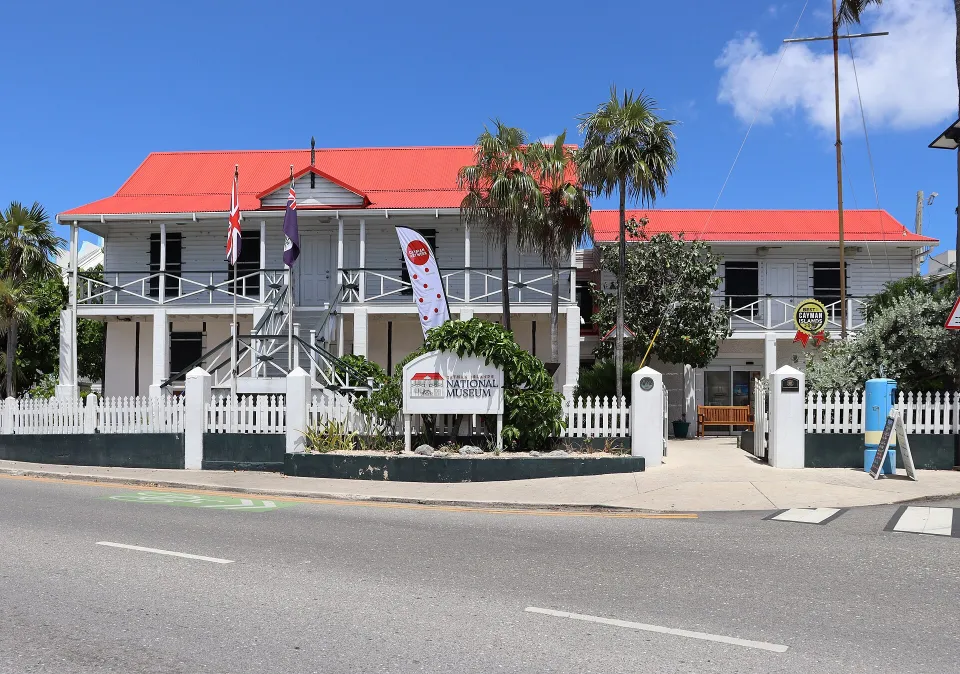
Banks, law firms and management companies are concentrated in George Town on Grand Cayman, so all the documents for a large sum are collected in one town over a few meetings. A local account for living on the islands is opened in Cayman dollars and US dollars, and the recipient takes the account number with the bank's international code from a statement.
Taxes in the Cayman Islands: 0% on income, gifts and inheritance
The 0% rate on the islands applies to 4 taxes at once: income, capital gains, gifts and inheritance, and there is no annual property tax at all. Money you send to the islands and the interest on it are not subject to local taxes. The country's budget lives on duties: import duty, the duty on buying property and fees from companies.
Employees and employers pay pension contributions of 5% of salary each, but this applies only to those employed on the islands. A private person who moves with capital and lives on the income from it has no compulsory payments on that money. The summary table is on the Cayman Islands taxes page.
Zero on the islands does not cancel the taxes of the country where you are tax resident: income from deposits and deals in the Cayman Islands is counted under its rules. A manager will suggest how to send capital so that the papers on its source satisfy both the bank on the islands and the tax office at home.
Buying a home in the Cayman Islands: a duty of 7.5% or 10%
Foreigners buy homes on the islands without separate permission and on the same terms as local residents, but they pay the full duty. From 1 January 2026 the rate is: 7.5% of the price if the home or plot costs less than 2 million Cayman dollars ($2.4 million), and 10% if the price is 2 million or more. The duty is counted on the market value or the deal price, whichever is higher.
The 10% rate applies to the whole price, not just the part above the threshold. A home for 1.99 million Cayman dollars carries a duty of 149,250 Cayman dollars ($180,000), and a home for exactly 2 million carries 200,000 ($240,000). So with a price near the threshold the duty is worked out in advance and built into the transfer sum.
An example: a flat on Seven Mile Beach for 1.5 million Cayman dollars ($1.8 million). The 7.5% duty is 112,500 Cayman dollars ($140,000), and it is paid together with the rest of the price through the deal lawyer's account. How to choose a property for your budget is described on the property in the Cayman Islands page.
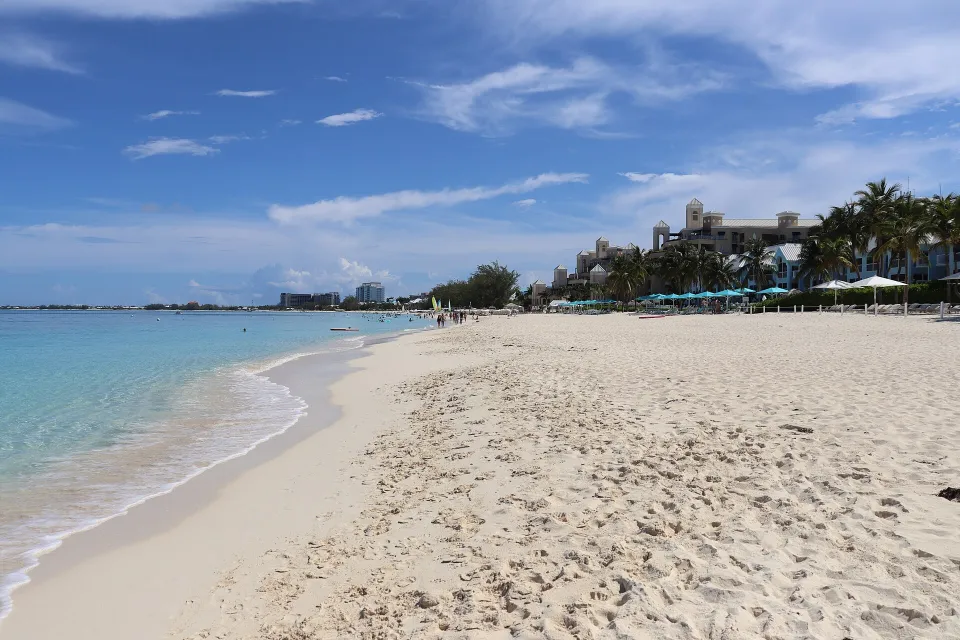
A deposit is usually paid when the contract is signed, and the rest of the price and the duty when the title is transferred at the land registry. A transfer from abroad is best sent a week before the deal date: the bank on the islands needs time to match the source of the money with the contract.
How much to send to the Cayman Islands for a residence permit
The residence permit for persons of independent means is issued for 25 years without the right to work on the islands. On Grand Cayman the terms are: invest 1 million Cayman dollars ($1.2 million) in property, of which at least 500,000 ($600,000) in a finished home, and show income of 120,000 Cayman dollars ($150,000) a year or a deposit of 400,000 ($480,000) at a local bank.
On Cayman Brac and Little Cayman the thresholds are lower: an investment of 500,000 Cayman dollars ($600,000), of which 250,000 ($300,000) in a finished home, and income of 75,000 ($90,000) a year or the same deposit. Permanent residence is given for an investment of 2 million Cayman dollars ($2.4 million) in finished property. Programme details are on the living and working in the Cayman Islands page.
For the transfer this is a ready plan: first the money for the home and the duty, then the deposit if you show it instead of income. The bank on the islands accepts the deposit after checking the source of the whole sum, so the capital documents are collected once for the home and the deposit together.
We will help you send money to the Cayman Islands
Mistakes cost more than fees: a home price just above 2 million Cayman dollars, which raises the duty by 50,000, a deposit for a residence permit without a file on the source of the capital, the rest of the price arriving after the deal date. We will help you avoid them: we will choose a US dollar transfer route, prepare documents for the bank on the islands and carry out the transfer through to crediting.
Details and terms are with a manager in the chat: the cost depends on the sum and the route.
Documents by sum: what the bank on the islands checks
- Up to $10,000. The bank checks the recipient's name and account number and the payment purpose. For a transfer to family or paying rent this is enough.
- $10,000-100,000. The bank asks for the sender's account statement and a document for the purpose: a lease, a school invoice, a letter from the giver. A local bank often asks a new client about their work and income.
- From $100,000. The bank looks at the source of the whole capital: the sale of a business, shares or a flat, an inheritance. For a residence permit a full file is prepared at once for the home, the deposit and the income.
When opening an account, local banks ask for a reference letter from your current bank and proof of address, so these papers are prepared before the first transfer. General rules are in the articles on proof of source of funds and moving home sale proceeds abroad, and a plan for all your capital on the capital relocation page.
Where money goes from the Cayman Islands next
3 destinations come up more often than others: the islands are linked to London, Zurich and Toronto through fund managers and family trusts.
- To the United Kingdom: children's study and capital managers in London.
- To Switzerland: a private bank for family capital.
- To Canada: relatives and a second flat.
Sending money to neighbouring countries
- How to send money to the United States: dollars directly and a brokerage account
- How to send money to Mexico: pesos and a home by the sea
- How to send money to Bermuda: the Bermuda dollar and the foreign currency purchase tax
- How to send money to the British Virgin Islands: US dollars and a company on the islands
- How to send money to Panama: the dollar is legal tender, no exchange needed
- How to send money to Jamaica: no currency control
The capital relocation page will help you move capital to the islands and beyond step by step.
FAQ
Do US dollars need to be changed into Cayman dollars before a transfer to the islands?
Is money received as a gift taxed in the Cayman Islands?
What duty does a foreigner pay when buying a home in the Cayman Islands?
Does a foreigner need permission to buy a home in the Cayman Islands?
What deposit is needed for a residence permit in the Cayman Islands?
We will suggest the best way to send your money
We will choose a transfer method for your amount and country, prepare the documents on the origin of the money for the bank, make the transfer through licensed partners and follow it until the money is credited. Ask your question in the chat - the manager will suggest the best terms and the cost. The legal side with banks and government bodies is handled by Murblz specialists and locally licensed partners.
Details and cost are with the manager in the chat. Describe your situation and we will reply right away.
Check transfer termsHow we handle a transfer: 4 stages → · Country rules checked