How to send money to Liechtenstein in 2026: francs, a private bank and a family foundation
In 2026 francs from Switzerland and euros from the single payments area reach an account in Liechtenstein in 1 business day, and dollars and other currencies from other countries in 1-3 business days. Up to $10,000 the bank checks the name and purpose.
In short
- The currency is the Swiss franc; accounts are multi-currency, with a 21-character number.
- A personal account for a non-resident - from 100,000 francs ($130,000).
- No gift or inheritance tax since 2011.
- A family foundation with no business pays 1,800 francs ($2,200) a year.
- Deposits are protected up to 100,000 francs, and money from a home sale temporarily up to 750,000 francs ($910,000).
In detail
Francs and euros: how a payment reaches a bank in Vaduz
In 2026 there are 4 routes to Liechtenstein, and the choice depends on the currency. Dollars are calculated at the rates for 7 October 2026: the franc at the Swiss National Bank rate, 0.8332 francs per dollar, so 1 franc is 1.2002 dollars; the euro at the European Central Bank rate, 1 euro is 1.1177 dollars.
| Route | Currency | Timing | What to state |
|---|---|---|---|
| Transfer from Switzerland | francs | within 1 business day through the shared payment system of the two countries | a 21-character account number and the owner's name |
| Transfer from the single euro payments area | euros to a euro account | 1 business day | account number, name, payment purpose |
| Transfer from other countries | dollars, euros, francs and other account currencies | 1-3 business days | the recipient bank's code and a document on the origin of the money for a large sum |
| Transfer between your own accounts from a private bank in another country | any currency | 1-2 business days | the client file the bank already accepted when opening the account |
An account number in Liechtenstein has 21 characters: the country code, 2 check digits, a 5-digit bank code and 12 characters of the account itself. Accounts here are almost always multi-currency, so dollars and euros arrive with no exchange, and only the sum for expenses in the country is converted into francs.
Liechtenstein and Switzerland share a currency, but the rules differ: since 1995 the principality has been part of the European Economic Area and follows European rules on payments and client protection. So euros from Germany or Austria come here as within Europe, and a bank in Vaduz serves the client directly in both francs and euros. For the client this means one account for two currencies and deposit protection under European rules.
The 100,000 franc threshold and the check of the source of wealth
The principality's banks work above all with private capital: a personal account for a non-resident is opened from 100,000 francs ($130,000), and at banks for large fortunes the threshold reaches 1 million francs ($1.3 million). The check covers the whole fortune, not one payment: the bank wants to understand how the client earned the capital over the years.
The file for a private bank in Vaduz includes a passport and proof of address, a tax residence certificate, an account of the career and business with figures by year, and documents on large receipts: the sale of a company, property, an inheritance. The more precise the file, the faster the bank opens the account and accepts the first large payment.
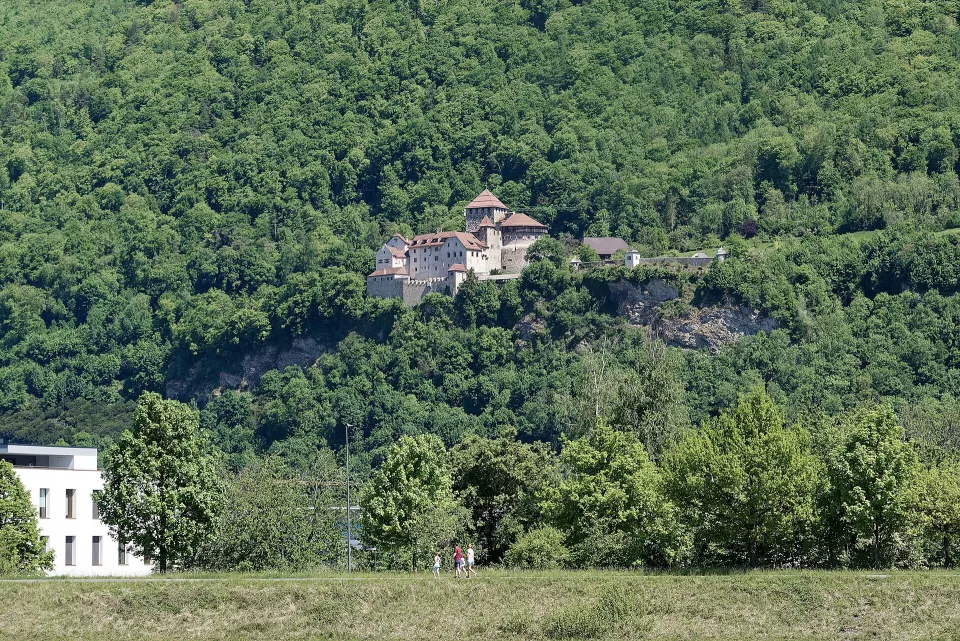
Deposits are protected up to 100,000 francs ($130,000) per depositor at one bank, and money from a home sale temporarily up to 750,000 francs ($910,000). Capital above these sums the bank holds in a managed portfolio, where the securities remain the client's property.
Does the bank ask for a 10-20 year history of the capital with documents for each stage? There are usually more options than it seems: tell a manager about your situation, and they will choose a bank and the order of documents for your history. The general rules are in proof of source of funds.
We will help you send money to Liechtenstein
Mistakes cost more than fees: transferring capital before the bank has accepted the file, a history of wealth without documents for each stage, a foundation with a business inside that loses the favourable tax. We will help you avoid them: we will choose a route for your capital, put together the history of your wealth, split the transfer into stages and carry it out through licensed partners.
Details and the cost are with a manager in the chat: the price depends on the capital, the bank and whether you transfer the money personally or through a foundation.
Gifts and inheritance in Liechtenstein: no tax since 2011
Since 1 January 2011 Liechtenstein has had no gift or inheritance tax, and this rule is the same for relatives and unrelated people. Example: a grandmother transfers 300,000 francs ($370,000) to her grandson's account in Vaduz, the tax on the gift is 0 francs, and the payment purpose says it is a gift. Heirs receive an inheritance in an account at a bank in the principality under the documents of the deceased's country: the bank asks for a death certificate and a document on the right to inherit with a certified translation.
Residents of the principality pay wealth tax in a special way: a notional 4% of net wealth is added to income, and ordinary income tax is charged on this sum. Example: a resident has net wealth of 2 million francs, and 80,000 francs ($97,000) of notional income is added to their income. So for a resident it matters how much capital is held by them personally and how much by a family structure.
A family foundation: money is transferred not to a person but to the foundation
Liechtenstein is known for foundations for family capital: the founder transfers money and securities to the foundation, and the foundation distributes them between children and grandchildren under its charter. Beneficiaries receive payments from the foundation by transfer to their accounts in any country. A foundation that only holds and manages the family's capital and runs no business pays a minimum tax of 1,800 francs ($2,200) a year and does not file a tax return. The minimum capital of a foundation is 30,000 francs ($37,000), paid into the foundation's account on its creation.
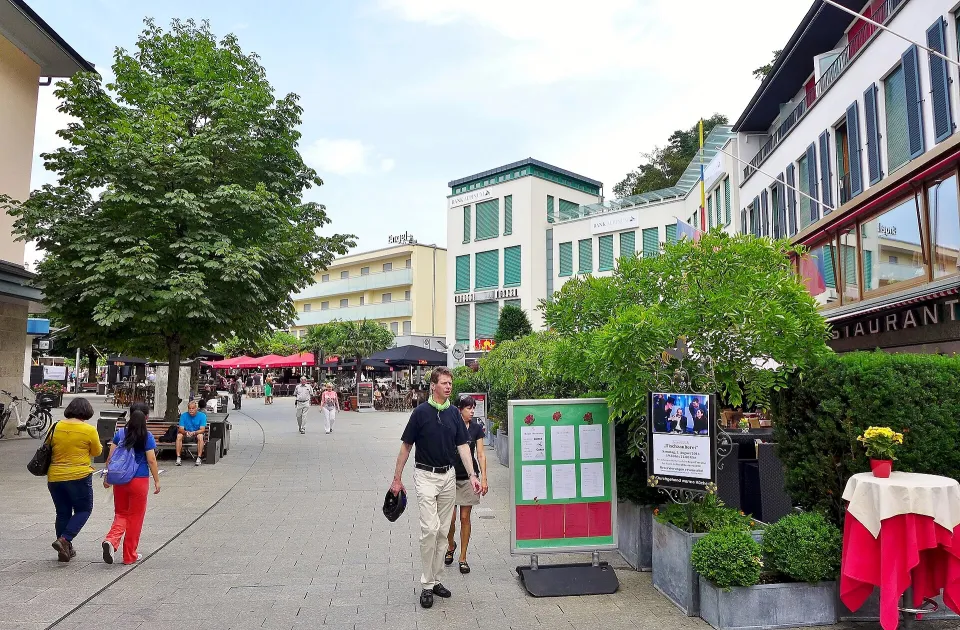
The foundation's account is opened at a bank in the principality, and money arrives in it by transfer from the founder, while the bank checks both the foundation and the founder. To open the account, the foundation charter, the list of beneficiaries, the foundation council's decision and the founder's file on the origin of the capital are prepared. How to choose between a foundation and a trust is covered in trust or foundation, and setting up the structure on the company registration in Liechtenstein page. We will suggest the best way to transfer capital to a foundation: a manager will split the transfer into stages for the bank's check.
How much to send: from the first payment to family capital
- Up to $10,000. Such a payment usually goes to an account that is already open: the bank checks the name and purpose. This is how money is sent for expenses, rent or children's studies in the principality and in Switzerland.
- $10,000-$130,000. The sum is below the private bank threshold: it is sent to an account opened for capital, or together with the main sum, with a statement and a document for the purpose attached.
- From $130,000. The private bank level: a file on the origin of the whole fortune, tax returns for recent years, contracts for the sale of a business or property, inheritance documents.
Example: an entrepreneur sold a stake in a company for 2 million francs ($2.5 million). The bank in Vaduz receives the stake sale contract, a statement showing the money received and the tax return for the year of the deal, after which the sum arrives in one payment. Capital from 1 million francs ($1.3 million) from different sources is more often sent in parts from several banks under a plan agreed with the bank. For such sums there is a separate capital relocation page, and the rules for large transfers are in sending a large sum abroad.
A salary in Liechtenstein and an employee's account
More than half of the principality's workers live in Switzerland, Austria or Germany and cross the border to work every day. Their salary is paid in francs to an account at a local or Swiss bank, and such an account does not need the 100,000 franc threshold: the bank opens it on the basis of the employment contract.
From a salary account money goes home on the same or the next business day: in euros under European rules, in francs to Switzerland through the shared system. Those moving to the principality for work get a residence permit on the employer's invitation, and the account is opened right after the contract is signed. Find out the transfer terms for your salary and savings from a manager before the move.
Where money goes from Vaduz
Liechtenstein borders 2 countries, Switzerland and Austria, and Germany is about an hour's drive from Vaduz, so an account in the principality often serves life in neighbouring countries. Zurich is an hour away, and many clients keep one account in Vaduz and a second one in Switzerland. Money is then sent here:
- To Switzerland: francs with no exchange, a home and a school in Zurich or St. Gallen.
- To Austria: a flat in Vorarlberg and ski chalets.
- To Germany: business and property in the south of the country, in Bavaria and Baden-Württemberg.
- To Luxembourg: a second financial centre for part of the capital.
Sending money to neighbouring countries
- How to send money to Switzerland: francs and large capital
- How to send money to Austria: gifts and a home
- How to send money to Germany: to a private person, to family and for a home
- How to send money to Luxembourg: a large sum and a home
- How to send money to Monaco: a deposit for residence and a flat
- How to send money to San Marino: euros under European rules
All legal ways to move capital are on the capital relocation page.
FAQ
Can euros be sent to Liechtenstein if the franc is the currency there?
From what sum is a personal account opened at a bank in Liechtenstein?
Is there a tax on a gift from relatives in Liechtenstein?
How much tax does a family foundation pay in Liechtenstein?
Do residents of Liechtenstein pay tax on wealth?
How much of a deposit is protected at a bank in Liechtenstein?
We will suggest the best way to send your money
We will choose a transfer method for your amount and country, prepare the documents on the origin of the money for the bank, make the transfer through licensed partners and follow it until the money is credited. Ask your question in the chat - the manager will suggest the best terms and the cost. The legal side with banks and government bodies is handled by Murblz specialists and locally licensed partners.
Details and cost are with the manager in the chat. Describe your situation and we will reply right away.
Check transfer termsHow we handle a transfer: 4 stages → · Country rules checked