How to send money to Japan in 2026: yen, a car, family
In 2026 money is sent to Japan in yen: a Japanese bank credits it by the bank code, branch code and 7-digit account number. The bank reports a transfer over $6,400 (1 million yen) to the tax office. Family money for living and studies goes with no tax, and a car is paid by the seller's invoice.
In 2026 money can be sent to Japan by bank transfer to the recipient's account at a Japanese bank or through a money transfer system, up to 1 million yen ($6,400) per operation. For every transfer from abroad over 1 million yen the Japanese bank itself reports to the tax office and credits the money in the normal way. A transfer is sent from a bank that works with Japanese banks, and a car is paid for by the exporter's invoice straight to the seller's account.
Dollar sums are at the European Central Bank rate on 7 October 2026, 158.23 yen per dollar, rounded up. The table and the rules below were checked on 8 October 2026.
What works now: a transfer to Japan in 2026
| Method | Status | Credit currency | Amount limit | Timing | Documents |
|---|---|---|---|---|---|
| A bank transfer to an account at a Japanese bank | works | yen; dollars and euros go to a currency account, and to an ordinary account the bank credits yen at its own rate | no legal limit | 1-5 business days | the payment purpose; for a sum over 1 million yen, a document on where the money comes from |
| Payment by invoice to a Japanese seller or exporter | works for goods exported to the buyer's country | yen or dollars, as in the invoice | the invoice amount | 1-5 business days | a contract, an invoice, details of the car or goods |
| A money transfer system | partly: depends on the sender's country and bank | yen | up to 1 million yen per operation | from a few minutes to a day | the recipient's passport or residence card |
A transfer system is enough for living money in the first weeks. Anything larger, such as tuition, a car or savings, is sent by bank transfer to a Japanese account: this way the recipient keeps a bank trail that will be asked about later when buying a home or extending a status.
Which bank to send money to Japan through
The sender's bank holds a correspondent account in yen or dollars and works with Japanese banks, and then the payment goes through in the normal way, even if the sender and the recipient are private individuals. So the first question in a transfer to Japan is not the fee but the route: which bank sends, through which intermediary and in which currency.
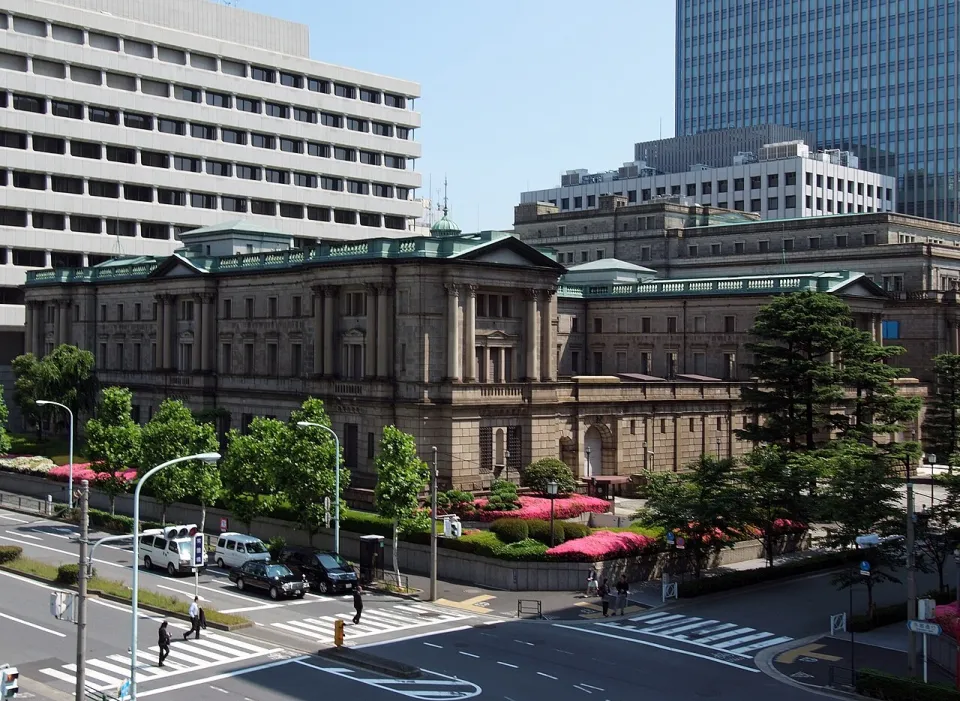
For the money to arrive the first time, the recipient gives the sender the details of the Japanese account:
- the bank's name and its 8- or 11-character international code;
- the 4-digit bank code and the 3-digit branch code;
- the account type: ordinary savings or current;
- the 7-digit account number;
- the owner's name exactly as written at the Japanese bank, and their address in Japan.
Japanese banks check the recipient's name and the payment purpose strictly: when the purpose matches the contract, the money is credited at once. A manager will choose the route through a bank the Japanese side works with and check the payment documents for your case.
How to send money to Japan for a car by invoice
A car from a Japanese auction or a dealer is paid for by the exporter's invoice: a bill for a specific car with the chassis number, year of manufacture, engine size, price and the seller's details. The payment goes straight to the exporter's Japanese account in the currency stated in the invoice, and the purpose repeats the invoice number and date.

What to check before paying:
- a sale contract or confirmation of the auction purchase in your name or your company's name;
- an invoice with the chassis number, engine size and fuel type;
- the payer is the same person or company as in the contract;
- the amount and currency of the payment match the invoice down to the last yen.
A payment from a third party, in parts from different banks or with a purpose that differs from the invoice is a common cause of delay. The exporter's bank can return the money, and the car will stand in the port car park while the seller waits for payment. We will suggest the best way to send the payment to the exporter for your car and amount.
Sending money to an individual in Japan: family, a student, living costs
Money is sent to a private individual in Japan to an account at a Japanese bank in their name. The account is opened with a residence card: the bank checks the type and term of stay, so accounts are given to those who came to live, work or study. The bank first keeps a newcomer's account as a non-resident one and switches it to a resident one after they start work at a Japanese company or 6 months after entry. The account is kept only in your own name and for yourself: Japanese law requires this.
For the recipient the gift tax matters most. A Japanese resident declares a cash gift over 1.1 million yen a year ($7,000) themselves, at a rate from 10% to 55% depending on the amount. Money a relative sends for studies and living as needed and that is spent at once is not taxed. If parents send a large sum at once for a deposit or buying a flat, the tax office treats it as a gift.
A large gift is always visible: for every transfer from abroad over 1 million yen the bank sends the tax office details with the names of the sender and the recipient and the amount. Tuition is easier to pay directly to the account of the language school or university: the school's details and the payment purpose show the bank and the tax office the purpose of the money at once.
How much money can be sent to Japan and what the bank will ask
- Up to $6,400 (1 million yen). The bank checks the recipient's identity and the payment purpose. A money transfer system also sends such a sum in one operation.
- From $6,400 to $190,000 (1-30 million yen). The bank passes details of the transfer to the tax office and will ask where the money comes from: a property sale contract, an income certificate, a statement on closing a deposit.
- From $190,000 (over 30 million yen). The bank expects a full set of documents on the origin of the money, and for a flat purchase, a contract with the seller and a payment schedule. With such a set a large sum is credited in the normal way, and the deal closes on time.
How to put such a set together is covered in proof of source of funds, and all legal ways of moving capital are on the capital relocation page. A large sum to Japan is best discussed before sending: a manager will tell you which documents the Japanese bank will accept in your case. How buying a home works is covered in buying an apartment in Japan.
We will help you send money to Japan
Mistakes cost more than fees: a payment through a bank that does not work with Japanese banks, the recipient's name not as at the Japanese bank, paying for a car before checking it against the export rules, a large gift to a relative without calculating the gift tax. We will help you avoid them: we will choose the route and currency for your amount, check the Japanese account details and the invoice, and prepare documents on the origin of the money for your amount.
Details and the cost are with a manager in the chat: it all depends on the amount, the purpose of the transfer and the sender's bank.
Sending money to a student and family in Japan: how to set up regular payments
For regular help to a student or family, the most convenient setup is the recipient's account at a Japanese bank and a transfer once a month or once a semester with the same payment purpose: the bank sees a clear history and credits the money without extra questions. Tuition is sent straight to the university account by its details, and the purpose states the student's name and the period paid for. If a single sum is over 1 million yen ($6,400), the bank passes details to the tax office, so the contract with the university or a letter on the cost of studies is kept at hand: it is the document on the purpose of the transfer.
How to take money out of Japan
The way back follows the same rules: the bank reports a transfer abroad over 1 million yen to the tax office, and the Japanese bank will ask the purpose of the payment.
A resident who has more than 50 million yen ($320,000) of property abroad on 31 December files a separate report on foreign assets with the tax office by 30 June of the following year. Resident taxes and the declaration procedure are on the taxes in Japan page, and statuses for moving are in how to get residency in Japan.
Sending money to other countries in Asia
- How to send money to South Korea
- How to send money to China
- How to send money to Thailand
- How to send money to India
- How to send money to Taiwan
- How to send money to Hong Kong
All legal ways of moving capital, documents for the bank and costs step by step are on the capital relocation page.
FAQ
Does a Japanese bank report a transfer from abroad to the tax office?
How do you send money from abroad to a Japanese bank?
Is parents' help to a student in Japan taxed?
Who can open an account at a Japanese bank?
How do you pay for studies at a Japanese university from abroad?
We will suggest the best way to send your money
We will choose a transfer method for your amount and country, prepare the documents on the origin of the money for the bank, make the transfer through licensed partners and follow it until the money is credited. Ask your question in the chat - the manager will suggest the best terms and the cost. The legal side with banks and government bodies is handled by Murblz specialists and locally licensed partners.
Details and cost are with the manager in the chat. Describe your situation and we will reply right away.
Check transfer termsHow we handle a transfer: 4 stages → · Country rules checked
Programs