EB-5 visa: a US green card by investment
Permanent residence in the United States for the investor, their spouse and children under 21. Five years after the green card you can apply for citizenship.

The EB-5 visa is a US green card for an investment of $800,000 in a project in a rural area, a high-unemployment area or infrastructure, or $1.05 million in any other business. The investment has to create 10 jobs. In October 2026 the reserved quotas for such projects have no backlog for any country, including India and China, and the petition fee more than doubles from 30 November 2026.
How the EB-5 visa works
The investor puts money into a US business and receives a green card for the whole family. There are two thresholds:
- $800,000 - a project in a rural area, an area with high unemployment or an infrastructure project.
- $1.05 million - any other business, including your own company.
In both cases the investment has to create at least 10 full-time jobs for 2 years or more, and you document the lawful origin of every dollar you invest.
The path to a green card
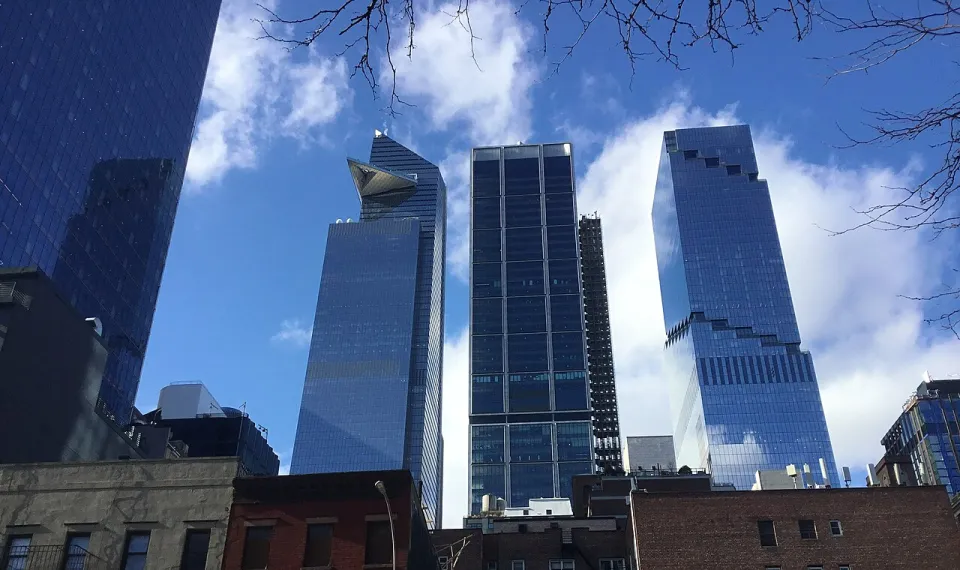
First the investor files a petition with a business plan and proof of the investment. Rural projects are reviewed first; a typical review takes 12-18 months. After approval the family receives a conditional green card for 2 years. During this time the money stays invested and the jobs are created. Then you file to remove the conditions and receive a permanent 10-year green card.
On a free consultation we check your source of funds and tell you which project type and amount fit your situation.
We will work out online the investment or income your family needs and what the permit costs for each member.
Two ways to invest
Through a regional center
A regional center is a private company approved by US immigration authorities. It pools money from many investors into one project: a hotel, a residential complex, a factory, infrastructure. Jobs are counted through an economic model, so you do not hire anyone yourself. This is the most common route for investors who live outside the US.
- From $800,000 in a rural, high-unemployment or infrastructure project.
- The center's administrative fee is $50,000-80,000 on top.
- The money is returned after 5-7 years if the project succeeds. The law prohibits guaranteed returns.
Direct investment in your own business
You invest in your own US company and hire 10 full-time employees yourself. This suits people who want to run a business in the US. The threshold is $1.05 million, or $800,000 in a targeted area.
EB-5 fees in 2026: before and after 30 November
A new US fee rule applies to petitions postmarked on or after 30 November 2026. The investment amounts stay the same, but the government fees rise sharply.
| Fee | Until 29 November 2026 | From 30 November 2026 |
|---|---|---|
| Investor petition, regional center | $3,675 | $7,850 |
| Investor petition, direct investment | $3,675 | $7,615 |
| Integrity fund fee, regional center petition | $1,000 | $1,100 |
| Removal of conditions after 2 years | $3,750 | $5,000 |
Other costs:
- Investment - from $800,000 or from $1.05 million. This is an investment, not a cost: it is returned if the project succeeds.
- Regional center administrative fee - $50,000-80,000.
- Adjustment of status in the US - $1,440 per adult if you are already in the country.
- Immigrant visa through a consulate - $345 processing and $235 immigrant fee per person.
- Medical exam - a few hundred dollars per person with an embassy panel physician.
- Lawyer and source of funds review - depends on how complex the money trail is.
- Our support - quoted after a consultation, depending on the investment type and your family.
A regional center petition filed before 30 November 2026 costs $4,275 less in fees. We will work out the total for your family in the chat.
The visa bulletin in October 2026: who waits and who does not
Each year the US issues a fixed number of EB-5 visas, and no country can take more than 7% of them. For countries with high demand, a queue builds up in the unreserved category. The State Department publishes the cut-off dates every month in the visa bulletin.
- Reserved quotas - no backlog. 20% of visas go to rural projects, 10% to high-unemployment areas and 2% to infrastructure. In October 2026 all three are current for every country, in both the final action and the filing charts.
- India, unreserved projects - the final action date is 1 December 2023 and the filing date is 1 May 2024. In September 2026 the annual limit for India was used up, and visa numbers returned with the new fiscal year in October.
- Mainland China, unreserved projects - the final action date is 1 December 2016.
The practical conclusion: if you were born in India or China, choose a rural, high-unemployment or infrastructure project, and your case moves without a queue. The country of birth counts, not citizenship, and a spouse's country of birth can sometimes be used instead. We check this for your family before choosing a project.
Paying the investment from India, Pakistan, the UAE, Korea and China
US immigration checks not only where the money came from, but also how it reached the US. Every country has its own rules for sending a large sum abroad, so the transfer route is planned before the petition.
- India. Under the Liberalised Remittance Scheme each resident can send up to $250,000 per financial year (April-March) through an authorised bank. A family of four can send $1 million. Tax collected at source is 20% on overseas investment above ₹10 lakh a year, and it is credited against your income tax when you file your return. Since the limit resets on 1 April, the investment is often split between March and April.
- Pakistan. Residents invest abroad through an authorised bank under State Bank of Pakistan rules. The money must be lawful and tax-paid, and an investment in a foreign project such as EB-5 is made with the central bank's approval, so the file is prepared in advance.
- United Arab Emirates. There is no currency control. Since residents do not file income tax returns, the source of funds is shown with employment contracts, salary certificates, business licences and UAE bank statements.
- South Korea. An EB-5 investment is a capital transaction: before the transfer the investor reports it to the Bank of Korea through the bank that handles their foreign exchange.
- Mainland China. The personal quota of $50,000 a year covers travel, study and other personal needs, so the investment comes from money already held outside the mainland, with records of how it got there.
Step by step, with documents for each source of money: EB-5 source of funds in 2026. How dollars reach a US account: how to send money to the USA.
We will review your situation for free
Describe your task in the chat and we will tell you where to start.
Source of funds: documents and where to get them
- Passports for the whole family.
- Proof of source of funds - salary and bonuses, the sale of a business or property, dividends, inheritance, a gift from relatives, a loan secured on your own assets. Plus tax returns for the last 5 years in every country where you filed them.
- The path of the money - statements from the source of the money to the project account, without gaps and without unrelated third parties.
- Project documents - subscription agreement, business plan, economic report on jobs.
- Marriage and birth certificates - translated into English.
- Police certificates - from every country where you lived for more than a year after age 16.
- Medical exam and vaccinations - with an embassy panel physician.
A gift from parents works if the parents' own income is documented and there is a gift agreement. A loan works if it is secured on your own assets, not on the project.
Already in the US on a work or student visa
If you are lawfully in the US, for example on an H-1B work visa or an F-1 student visa, you can file for adjustment of status together with the investor petition, as long as your category is current in the filing chart. For reserved projects it is current for every country in October 2026.
- You stay in the US while the petition is reviewed.
- A work permit and a travel permit arrive within months, so you can change jobs and travel.
- For children close to 21, the Child Status Protection Act subtracts the time the petition was pending from their age, so they keep their place in the case.
For holders of a work visa with a long green card queue through an employer, EB-5 in a reserved category is the fastest route.
Requirements and how to get approved
- Lawful source of funds not proven. The most common reason for refusal. Gifts and loans must also be traced to a lawful source.
- Gaps in the path of the money - cash deposits without history, transfers through unrelated people.
- The project did not create jobs - then conditions are not removed.
- A guaranteed return. The investment must be at risk, and buy-back promises are prohibited.
- Money invested too late or not in full at filing.
- Admissibility issues - past visa violations, a criminal record, false statements on earlier forms.
- Absence from the US for more than 6 months without a re-entry permit puts status at risk.
We check each of these points before filing, so the petition goes in complete.
Taxes after a green card
With a green card you are a US tax resident and pay tax on worldwide income wherever you live.
- Federal income tax - from 10% to 37%.
- State tax - from 0% in Florida, Texas and Nevada to 13.3% in California.
- Long-term capital gains - 0%, 15% or 20% plus 3.8% on investment income.
- Estate and gift tax - from 2026 the exemption is $15 million per person for US citizens and residents, so it applies once you live in the US with a green card.
- Foreign account reporting - if they hold more than $10,000, plus reports on foreign companies.
Before moving it pays to sell or restructure assets and close deals that would be taxed more heavily in the US. More in US taxes.
The Gold Card
An executive order of 19 September 2025 created the Gold Card. Applications have been accepted since 10 December 2025.
- Processing fee - $15,000.
- After approval - a $1 million gift to the Treasury from an individual, or $2 million from a company per employee.
- The card is issued within the quotas for extraordinary and advanced-degree professionals, so the applicant must fit those categories.
- The money is not returned, and no jobs need to be created.
According to the Commerce Secretary, only one application had been approved by April 2026, and the rest are waiting in the queue. Worldwide taxation is the same as with a regular green card. So EB-5 remains the more predictable route for now. More in the Gold Card in 2026.
What changes in 2026-2027
- Fees more than double. From 30 November 2026 a regional center petition costs $7,850 instead of $3,675, and removal of conditions $5,000 instead of $3,750.
- Higher thresholds. From 1 January 2027 the $800,000 and $1.05 million amounts will be adjusted for inflation, so filing before the end of 2026 is cheaper.
- The regional center programme is authorised until 30 September 2027. Petitions filed by 30 September 2026 will be adjudicated even if the programme lapses; later petitions are protected while the programme is in force.
- Immigrant visa interviews are running. The pause for nationals of 75 countries, from 21 January to 21 August 2026, ended under a court order.
- Reserved quotas stay current. In October 2026 rural, high-unemployment and infrastructure projects have no backlog for any country.
Family and life in the US
Your spouse and unmarried children under 21 get green cards with the investor. If a child turns 21 before the visa is issued, the Child Status Protection Act subtracts the time the petition was pending from their age, and the child stays in the case when the result is under 21.
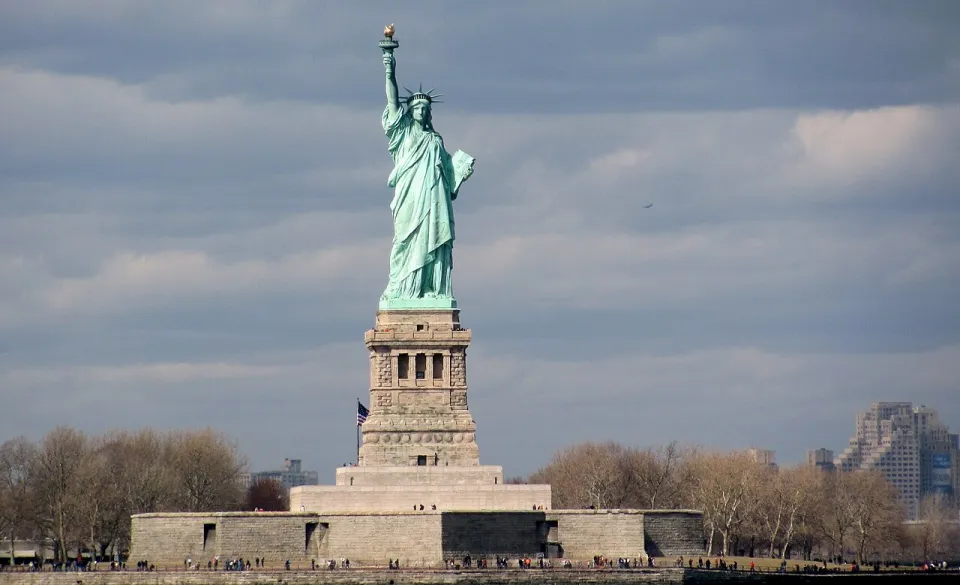
Children with green cards attend public schools free and, after a year of residence in the state, pay in-state university tuition. Five years after the first green card you can apply for citizenship, with an English and US civics test.
How to vet a regional center project
- Center status. The center must be active and approved, with no immigration sanctions.
- Project approval. It is better if the project is already approved by immigration authorities: this lowers the risk of a petition denial.
- Area type. A rural project gets priority processing and its own quota, a high-unemployment project gets the quota.
- Job cushion. A good project creates 30-50% more jobs than all investors need.
- Capital stack. The share of investor money in the total budget, bank loans, the developer's own equity. The more equity the developer has, the better.
- Repayment history. Has the center repaid investors in past projects, and how quickly.
- Exit terms. When and how money is returned, and what happens if construction is delayed.
We check these points before you sign and involve a US attorney.
Alternatives to compare
- US green card by national interest waiver - no investment, for professionals with advanced degrees.
- US green card for extraordinary ability - faster than EB-5 for people with recognition in their field.
- US talent visa - a 3-year work visa for people with achievements.
- The Gold Card - a green card for a $1 million gift, without jobs.
How we work
- We check the source of funds and choose the investment type and quota.
- We plan the transfer under the rules of your country.
- We vet the regional center and project: permits, financing, repayment history.
- We prepare the petition with a US attorney.
- We handle the interview or adjustment of status, the medical exam and the move.
- We prepare the removal of conditions after 2 years and the citizenship application.
We fix our fee in writing after a consultation.
Every way to get residency in the US
This is one route. All the other grounds for residency in the US, with conditions, amounts in dollars and timelines, are compared on How to get residency in the US in 2026: every route.
Advantages of a US green card
A path to citizenship
Five years after getting the green card you can apply for US citizenship.
A green card for the whole family
The investor includes a spouse and unmarried children under 21 in the application.
Freedom to live and work
Any job, any employer, your own business, studies in any state, without sponsorship or visa renewals.
Healthcare and education
Public schools free for children and in-state university tuition after a year in the state.
How to get an EB-5 visa: step by step
Preliminary check - 1-2 weeks
A Murblz immigration expert checks the source of funds, the country of birth for the quota and your family free of charge, and suggests the project type.
Choosing a project and moving the money - 1-3 months
We vet a regional center project or prepare your own business and plan the transfer under the rules of your country, with a full paper trail.
Investor petition - 12-18 months
We file the petition (Form I-526E or I-526) with a business plan and proof of source of funds. If you are lawfully in the US, you can file for adjustment of status at the same time and get a work permit.
Conditional green card - 3-12 months
After approval, an interview at the US embassy or consulate in your country of residence, or adjustment of status in the US. A 2-year green card while the investment works and jobs are created.
Permanent green card - after 2 years
Within 90 days before the second anniversary we file to remove conditions (Form I-829). While it is pending, status is extended for 48 months.
FAQ
What is the EB-5 visa?
How much does the EB-5 visa cost in total?
Is there a queue for applicants born in India?
How do I send $800,000 from India?
Can I file from the US on an H-1B visa?
Can a gift from my parents be used?
Can I get the invested money back?
Do I have to run the business myself?
Where is the visa interview?
What is the Gold Card and is it worth waiting for?
Will the investment threshold rise?
How much does your support cost?
Services
Murblz services in the USA
A passport or residence permit opens the door, but life behind it is awkward without a bank account and a roof over your head. Murblz specialists help with the account, property and company in the same country. The quote is fixed in writing before work starts.
See also
Related programs and destinations
All programs - USA:
Similar destinations:
The same program in other countries:
How to send money to the USA in 2026 →
We can help with the transfer: ask in the chat.
Articles about USA
How to send money to Zambia in 2026: dollars or kwacha to an account in Lusaka in 1-3 business days, with no currency controls
Read →How to send money to the USA in 2026: dollars by routing number in 1-5 business days
Read →Driving licences in the USA: how a foreigner gets a state licence
Read →Buying an apartment in the USA as a foreigner in 2026
Read →Ready for a US investor green card?
We review the source of funds, choose a project for the investment and prepare the green card petition for you and your family. The catalogue lists residence by investment elsewhere.
The Murblz consultant replies straight away in the chat on this page. Describe your situation and we will work it out together.
Free consultation