Spain startup visa: residence for founders in 2026
A permit for the founder of an innovative project, valid for 3 years from the start, a decision in 20 working days and a 24% tax regime. The main filter is an ENISA report confirming that the project is genuinely innovative and can scale.
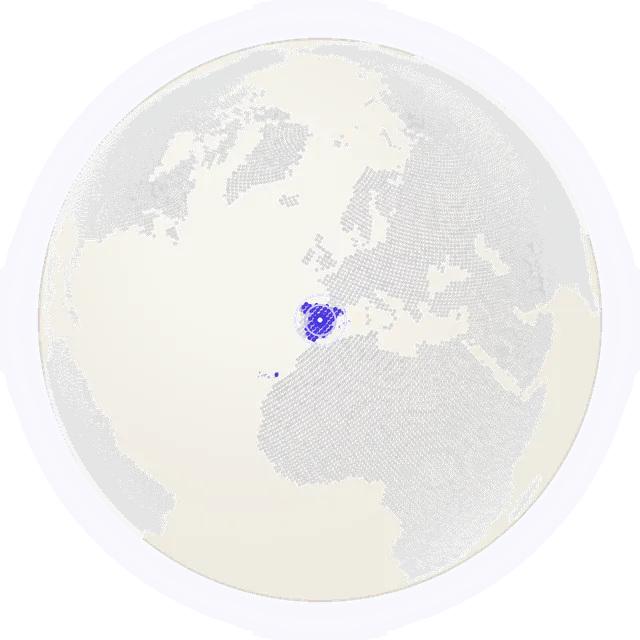
Spain grants founders of innovative projects a residence permit under Law 14/2013 on support for entrepreneurs. Since December 2022 it is issued for 3 years straight away, the decision takes 20 working days, and silence from the authority counts as approval. The price of that speed is a strict project assessment: an ordinary business without a new product does not qualify.
What the Spain startup visa is and who it suits
The Spain startup visa is a residence permit for entrepreneurs under Law 14/2013 on support for entrepreneurs. Since 23 December 2022, when Startup Law 28/2022 came into force, the permit is issued for 3 years instead of 2, and the project's innovativeness is assessed by ENISA, the state innovation support company under the Ministry of Industry. Without its favourable report there is no permit, however good the business plan.
The route suits founders of a project with a new product or technology and room to grow: software, health and climate tech, industrial solutions. Ordinary trading, a restaurant or consulting with no technology element usually do not qualify. For those there is a self-employment permit under the general immigration law: no innovation test, but the first permit is only for one year.
| Route | What is checked | First permit |
|---|---|---|
| Entrepreneur with an innovative project, Law 14/2013 | ENISA report, own funds, insurance, clean record | 3 years, then a 2-year renewal |
| Digital nomad, same law | remote work for a foreign company and income | up to 3 years |
| Self-employed under the general immigration law | business plan, licences, investment | 1 year, then renewals |
The main difference from other routes is speed. The decision is made by the Large Companies and Strategic Groups Unit of the Ministry of Inclusion within 20 working days, and if there is no answer, the permit is deemed granted.
Requirements for the founder and the project
Law 14/2013 sets six conditions, and all are checked together.
- Age 18 or over and lawful stay. You can apply from Spain only if you are there lawfully. People who have signed an undertaking not to return to Spain cannot apply.
- A favourable ENISA report. It assesses the founder's profile (education, experience, role in the project), the business plan, innovativeness and scalability, and the benefit to the Spanish economy.
- Own funds. At least 100% of the state income indicator per month for the applicant: in 2026 that is EUR 600, or EUR 7,200 a year, about $8,090. Each family member needs another 50%, EUR 3,600 a year, about $4,050. Guarantees and letters of support from third parties are not accepted, a year of bank movements may be requested, and a loan is proven with a signed agreement.
- Health insurance, public or private from an insurer licensed in Spain, with full cover and no co-payments or limits.
- A clean criminal record for the last 5 years in every country you lived in.
- Paid fees for the visa or permit.
Spanish is not required for the permit, either at first application or on renewal. The law also sets no minimum investment in the company: the funds are for living costs, while project financing is judged from the business plan.
Do you need an investor for the Spain startup visa
No. Law 14/2013 requires neither an investor nor a minimum investment in the company. The money you show is for living costs: about $8,100 a year for the founder. Funding for the project itself is judged from the business plan.
An investor, grant or accelerator still works in your favour: it shows ENISA, the state innovation company, that someone already believes in the project and that it can grow. You can get a positive report without them, but then the business plan has to explain on its own how the company will fund its first years.
To use the startup law's benefits, the company itself needs separate startup status. It goes to companies no older than 5 years, or 7 in biotech, energy and industry, with a base in Spain, no dividends paid and 60% of staff on Spanish employment contracts. ENISA issues the certificate free of charge within 3 months.
How much the Spain startup visa costs in 2026
Government fees for the Spain startup visa are low: about $110 per adult for the national visa and the foreigner identity card. The real money is the own funds you show in your account, health insurance and preparing the project.
| Payment | Amount in 2026 | What to know |
|---|---|---|
| Consular fee for the national visa | ~$90 (EUR 80) | higher for some nationalities on reciprocity; not needed if you apply from Spain |
| Residence permit fee | calculated by the ministry's system | paid when filing with the Large Companies Unit |
| Foreigner identity card | ~$18 (EUR 16.08) | apply within one month of entry |
| Founder's own funds | ~$8,090 a year (EUR 7,200) | not a payment: shown in your own account |
| Own funds per family member | ~$4,050 a year (EUR 3,600) | for a spouse, each child and each parent |
| Health insurance | at the insurer's rate | full cover with no co-payments or limits |
| Apostille and sworn translation | on request from a manager | certificates no older than 3 months |
Price on request from a manager. Check the price
Dollar amounts are converted at the market rate of 20 October 2026, 1.1229 dollars per euro, and rounded up. The 2026 income indicator is from the State Public Employment Service, the funds requirement from the Spanish consulate's instructions, and the identity card fee from the 2025 fees order.
For a family, the total adds up fees and funds for each person: rates per family member are in the table below, and we calculate the amount including project preparation and our support in the chat.
Fees are about $110; the project's quality decides
An unfavourable ENISA report costs more than any fee: a project described as an ordinary business does not pass, and reapplying means more months. Mistakes with funds and insurance also cost time: guarantees are not accepted and a policy with co-payments is sent back. Murblz support removes these risks: we shape the project to the criteria of Law 14/2013, prepare the business plan and financial model, check funds and insurance, collect family documents with apostilles and sworn translations and file with the ministry unit. We guarantee professional work and a transparent process, and we prepare the file for a result on the first filing.
The support fee depends on how ready the project is and on your family; a manager calculates it in the chat.
How much the Spain startup visa costs per family member
Everyone who moves pays for a visa and an identity card and shows own funds: about $8,070 a year for the founder and about $4,035 per family member. The funds are not spent; you show them in your own account.
| Who | National visa | Funds per year, to show | Identity card |
|---|---|---|---|
| Founder | $90 | $8,070 | $20 |
| Spouse or partner | $90 | $4,035 | $20 |
| Child under 18 | at the consulate's rate | $4,035 | $20 |
| Dependent parent over 65 | $90 | $4,035 | $20 |
We will check online whether you meet the requirements and calculate the cost for your family.
How to get a Spain startup visa: stages and timelines
| Stage | What happens | How long |
|---|---|---|
| 1. Project | business plan, financial model, description of the founder's and team's roles | depends on how ready the project is |
| 2. ENISA report | assessment of innovativeness, scalability and the founder's profile | 10 working days from the ministry unit's request |
| 3. Permit | decision by the Large Companies and Strategic Groups Unit | 20 working days; silence means approval |
| 4. Visa, if you apply from abroad | the consulate in your country of residence | decision within 10 days, collect the visa within one month |
| 5. Entry and identity card | fingerprints and the card at the police | apply within one month of entry |
| 6. Renewal | check that the permit conditions still hold | after 3 years, for 2 years |
There are two ways to apply. From abroad, through the consulate in the country where you live: the first document is a one-year visa, exchanged in Spain for the permit. If you are lawfully in Spain, you can apply online directly to the ministry unit and get a 3-year permit without a visa. A spouse or partner, children under 18 and dependent parents over 65 can apply with the founder, at the same time or later.
After 5 years of lawful residence you can obtain long-term residence, and after 10 years apply for Spanish citizenship under the general rule. More on timelines on our Spain residence permit page.
The Spain startup visa for families
The family travels with the founder or joins later, and each member gets their own permit for the same term. Eligible are a spouse or registered partner, children under 18, adult children unable to support themselves for health reasons, and dependent parents over 65.
Family members may not only live but also work in Spain, as employees or self-employed. The law requires no separate investment for each of them, only own funds: another half of the income indicator, about $4,100 a year per person.
| Family | Own funds per year, example calculation |
|---|---|
| Founder | ~$8,100 |
| Founder and spouse | ~$13,000 |
| Founder, spouse and a child | ~$17,000 |
| Founder, spouse and two children | ~$21,000 |
This is not a payment but money in your account. On top come fees of about $110 per adult and health insurance for each family member. We calculate the total for your family, including project preparation, in the chat.
Renewal, permanent residence and citizenship
The first permit lasts 3 years. It is renewed for 2 years if the project is running and the founder lives in Spain: renewal checks the same conditions as the first application.
After 5 years of lawful residence you can get long-term residence, and after 10 years apply for Spanish citizenship under the general rule. If the company closes, the residence basis is changed in advance so the period is not broken.
What documents you need for a Spain startup visa
- A passport valid for at least a year with two blank pages.
- The national visa form or the permit application, and a photo.
- A business plan: product, market, revenue model, hiring plan, financial model for the coming years, the founder's role and experience.
- A favourable ENISA report.
- Statements and documents proving own funds, with a year of account movements if requested.
- Health insurance from an insurer licensed in Spain, with no co-payments or limits.
- Criminal record certificates from every country you lived in over the last 5 years.
- For the family: marriage and birth certificates and, if only one parent is moving, notarised consent from the other.
- Fee receipts.
Foreign documents are filed with an apostille and a Spanish translation by a sworn translator. Certificates must be no older than 3 months, 6 in exceptional cases, so order them last. The apostille on a criminal record certificate is issued by the authority that issued it, while the ENISA report and the business plan are prepared in Spanish or English.
How to get the Spain startup visa approved the first time
- The project is not innovative. The business plan describes ordinary trading or services with no new product or growth potential, and ENISA issues an unfavourable report.
- A weak founder profile. No experience or education linked to the project, or a nominal role in the company.
- The funds are not your own. Guarantees, letters of support and loans without a signed agreement are not accepted.
- Insurance with co-payments or limits. The policy must cover everything the public system covers.
- Certificates older than 3 months, without an apostille or a sworn translation.
- Unlawful stay in Spain when applying from inside the country.
- On renewal, the conditions of the permit no longer hold: the project is not running or the founder does not live in the country.
A consular refusal comes in writing with the grounds and the appeal procedure. More often it is simpler not to contest it but to strengthen the project and apply again.
Taxes for a founder on a startup visa
If you live in Spain for more than 183 days a year, you are tax resident and taxed on worldwide income. Founders have two reliefs.
- The special regime for people moving to Spain. Since 2023 it is open to entrepreneurs with an innovative activity who have not been Spanish tax residents for the last 5 years. Employment income is taxed at 24% up to EUR 600,000 a year and 47% above that. The regime covers the year of the move and the next 5 years.
- Startup corporate tax. A company with startup status pays 15% instead of the standard 25% in its first 4 years with a positive tax base.
Rates, wealth tax and the 183-day rule are covered on our Spain taxes page.
Risks and what can change
The main risk is the ENISA assessment. The innovation criteria are not reduced to numbers, and the same project can be described so that it passes or fails. That is why the business plan is written to the law's criteria, not for an investor.
The permit is tied to the project: if the company closes, it cannot be renewed on this basis, and you will need another residence route. Spain abolished the golden visa for property from 3 April 2025, so the entrepreneur route has become one of the few fast options for people moving with capital. The startup law itself rarely changes, while the income indicator and fees are updated every year.
Startup visa, digital nomad visa or non-working residence: which to choose
Spain abolished the golden visa for property on 3 April 2025, so people moving with money and ideas have three main routes left. The choice depends on how you will earn a living in Spain.
| Route | Main condition | First status | Work in Spain |
|---|---|---|---|
| Startup visa | a positive ENISA report and ~$8,100 a year | 3 years | in your own company |
| Digital nomad visa | remote work and income from $3,200 a month | up to 3 years | for foreign companies, freelancers up to 20% with Spanish clients |
| Non-working residence | passive income from $2,700 a month | 1 year | not allowed |
| Self-employed under the general law | business plan and investment | 1 year | your own business |
| Golden visa for property | closed since 3 April 2025 | - | - |
If the product is new and can grow, the startup visa gives the longest first status. If you work for a foreign employer, the nomad visa is simpler. Compare startup visas across Europe in the overview European startup visas in 2026.
Alternatives to the Spain startup visa
| Your situation | What to consider |
|---|---|
| You work remotely for a foreign company | Spain digital nomad visa |
| A startup in a neighbouring European Union country | Portugal startup visa |
| A tech startup in France | France startup visa |
| A startup with a facilitator in the Netherlands | Netherlands startup visa |
| Compare all options | talent and startup visas |
If you need a Spanish company before you move, see company registration in Spain.
What changed in 2022-2026
- 23 December 2022. Startup Law 28/2022 came into force: permits are issued for 3 years instead of 2, the project assessment moved to ENISA, the special tax regime opened to entrepreneurs and the required period without Spanish tax residence was cut from 10 to 5 years.
- 3 April 2025. Spain abolished the investment golden visa.
- 16 June 2025. New fees for foreigners' documents: the identity card for a first permit costs EUR 16.08.
- 2026. The income indicator stayed at EUR 600 a month, so the own-funds requirement did not rise.
The current text of the law is published in the Spanish Official State Gazette, and the visa document list by the consulate in your country.
What the Spain startup visa gives you
A 3-year permit
The first permit is for 3 years straight away, then a 2-year renewal and long-term residence after 5 years.
A decision in 20 working days
If the ministry unit does not answer in time, the permit is deemed granted.
The whole family
A spouse or partner, children under 18 and dependent parents over 65 apply with the founder or later.
A 24% rate
A special tax regime for founders who move: 24% on income up to EUR 600,000 a year, for the year of the move and 5 more.
Schengen travel
A Spanish permit lets you travel in the Schengen area without a separate visa for up to 90 days in any 180.
How to get a Spain startup visa: step by step
Project and business plan
Describe the product, market, revenue model and founder's role against the criteria of Law 14/2013. Timing depends on how ready the project is.
ENISA report
Assessment of innovativeness and scalability: 10 working days from the ministry unit's request.
Permit
Decision by the Large Companies and Strategic Groups Unit within 20 working days; silence means approval. From abroad, a visa at the consulate within 10 days.
Entry and identity card
Apply for the card within one month of entry; the fee is about $20.
Renewal
After 3 years, a 2-year renewal if the permit conditions still hold; long-term residence after 5 years.
FAQ
What is the Spain startup visa and who is it for?
How much does the Spain startup visa cost?
How much money do I need to show for the Spain startup visa?
Can I get Spanish residence through a startup while already in Spain?
How long does the Spain startup visa take?
What business plan do I need for the Spain startup visa?
How long is the Spanish startup permit valid, and can I get permanent residence?
Can I include my family in a Spain startup visa application?
Do I need Spanish for the Spain startup visa?
How can a foreigner set up a startup in Spain?
Do you need an investor for the Spain startup visa?
Which to choose: the Spain startup visa or the digital nomad visa?
Services
Murblz services in Spain
A passport or residence permit opens the door, but life behind it is awkward without a bank account and a roof over your head. Murblz specialists help with the account, property and company in the same country. The quote is fixed in writing before work starts.
See also
Related programs and destinations
All programs - Spain:
Similar destinations:
The same program in other countries:
How to send money to Spain in 2026 →
We can help with the transfer: ask in the chat.
Articles about Spain
Spain grandchildren law: what the Supreme Court decided
Read →How to send money to Equatorial Guinea in 2026: euros from Spain, the CFA franc, investment protection and buying land
Read →How to send money to Spain in 2026: euros to a private person in 10 seconds or 1-3 days
Read →Exchanging a driving licence in Spain: a guide for foreigners
Read →How to get residency in Spain in 2026
Read →Spain election 2026: what changes for foreigners
Read →Want Spain's startup residence permit?
We check whether your project can pass ENISA's innovation assessment and prepare the business plan and residence permit documents. The catalogue covers talent visas worldwide.
The Murblz consultant replies straight away in the chat on this page. Describe your situation and we will work it out together.
Free consultation