Studying abroad in 2026: requirements and funds for study in Canada, Germany, Italy and Turkey
For a student visa in 2026 you must show living funds: $16,500 a year in Canada, $13,400 in a blocked account in Germany, $11,400 in Italy. In Turkey the government scholarship covers tuition, a dormitory and insurance and pays from $92 a month.
In short
- For a student visa you must show living funds: $16,500 in Canada, $13,400 in Germany, $11,400 in Italy per year.
- Public universities in Germany are almost everywhere tuition-free.
- The Turkish government scholarship covers tuition, a dormitory and insurance and pays $92 to $183 a month.
- You can work while studying everywhere: up to 24 hours a week in Canada, up to 20 in Italy.
- After graduation Canada gives a work permit of up to 3 years, Germany 18 months to find a job, Italy 12.
In detail
In 2026 studying abroad is cheapest in Turkey and Germany: the Turkish government scholarship covers tuition and housing, and German public universities are almost everywhere free. For the visa you must show living funds: $13,400 a year in Germany, $11,400 in Italy and $16,500 in Canada, excluding tuition.
Canada, Germany, Italy and Turkey are among the most sought-after study destinations in 2026. Below is how much money you need for the visa in each country, how much you can work while studying and what the degree gives you after graduation. Amounts are converted at the European Central Bank rate of 14 October 2026 and rounded up.
How much money you need for a student visa in 2026
- Canada - $16,500 for a year of living costs, plus first-year tuition and travel.
- Germany - $13,400 in a blocked account, of which you can withdraw $1,120 a month.
- Italy - $11,400 a year, or $880 a month, in a personal account with a history.
- Turkey - with the scholarship you do not need to show living funds: the government pays for tuition, a dormitory and insurance.
The money must be in the account in advance: consulates check the statement history and do not accept sums deposited at the last moment.
Studying in Canada
From 1 September 2026 a student must show $16,500 for a year of living costs, slightly more than the previous $16,200. On top of that come first-year tuition and the round trip. If your family comes with you, the amount rises: $20,600 for two and $25,300 for three.
The study permit costs $106, and fingerprinting another $60. You must prove the funds without counting on earnings in Canada, and for a programme longer than a year explain how you will pay for the remaining years. Quebec sets its own amounts.
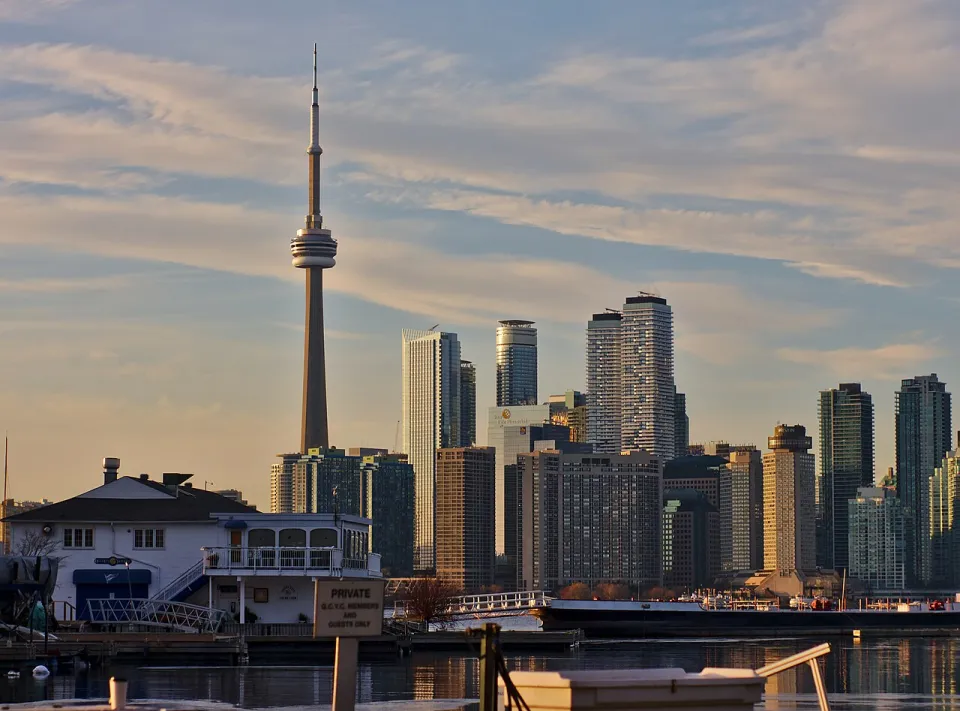
While studying you can work off campus for up to 24 hours a week. After graduation you get a work permit of up to 3 years, and Canadian work experience helps you move to permanent residence. What life in the country costs is covered in cost of living in Canada.
Studying in Germany
Tuition at German public universities is free; you pay only a semester contribution. The exception is the state of Baden-Württemberg, where students from outside the European Union pay $1,680 per semester.
For the visa you open a blocked account and deposit $13,400, a year's living money. You can withdraw $1,120 a month from it. The visa costs $84.

While studying you can work 140 full days or 280 half days a year. After graduation you get 18 months to find a job in your field, and then the route to a work residence permit opens - all options are in how to get residency in Germany. Living costs are in the guide cost of living in Germany.
Studying in Italy
For the 2026/27 and 2027/28 academic years Italy raised the living funds to $11,400 a year, or $880 a month. The money is shown through statements from a personal account. A close relative up to the fourth degree can be the sponsor, with a family status certificate.

Admission starts with pre-enrolment on the government portal for international students. You can apply for the visa only after the university confirms the pre-enrolment. For the 2026/27 academic year visas are accepted until 30 November 2026, for 2027/28 until 31 October 2027.
While studying you can work up to 20 hours a week, and after graduation stay for 12 months to look for a job. Housing and food prices are in cost of living in Italy.
Studying in Turkey
The main route is the Turkish government scholarship. It covers tuition, a year of Turkish language classes, a dormitory, health insurance and flights at the start and end of your studies. The monthly payment is $92 for a bachelor's, $132 for a master's and $183 for a doctorate.
You can apply for a bachelor's up to age 21, a master's up to 30 and a doctorate up to 35. You need an average grade of at least 70% for a bachelor's and 75% for a master's and doctorate, and 90% for medicine. In 2026 applications were open from 10 January to 20 February, so documents for 2027 are worth preparing now.
A student gets a residence permit for the whole period of study. You apply online and hand the documents - health insurance, a lease or dormitory contract, a university certificate and photos - to the university's international centre. You can work with a separate work permit. More on life and residence in cost of living in Turkey and Turkey residence permit.
Which country to choose for study
- Turkey - if the lowest budget matters: the scholarship covers almost all costs.
- Germany - if you want free tuition at a strong university and work in Europe after graduation.
- Italy - if you want to study in Europe with a smaller sum in the account than in Germany.
- Canada - if the goal is work and permanent residence: a work permit of up to 3 years after graduation.
How to go abroad to study: steps
- Choose the country and programme for your budget, language and future career.
- Take a language exam and prepare your diploma with a translation.
- Apply to the university or for the scholarship and get an offer.
- Prove your funds - open a blocked account or collect statements for several months.
- Apply for the student visa at the country's consulate.
- After arrival, get a student residence permit and health insurance.
The key is to start early: the Turkish scholarship closes half a year before studies begin, and the money must sit in the account for several months before the visa application.
We will help you go abroad to study
What matters most here is choosing the right country and preparing the money and documents on time: missing a deadline costs a whole academic year. We will pick the country and programme for your budget, prepare documents for the university or scholarship, help you prove your funds and guide you to the student visa and residence permit.
Details and cost are with a manager in chat: it all depends on the country and the level of study.
FAQ
What are the requirements for studying in Italy?
How much does it cost to study in Germany?
What are the requirements for studying in Canada?
How much money do you need in a German blocked account in 2026?
How much money do you need for an Italian student visa?
How much money do you need for a Canadian student visa?
What are the requirements for studying in Turkey?
How much does it cost to study in Turkey?
Don’t want to figure this out alone?
We handle the whole process end to end: we check your documents, match a program to your situation and give you honest timelines and costs. Ask your question in the chat: the free consultation starts right here. Legal representation before authorities and courts is handled by Murblz specialists together with locally licensed partners.
The Murblz consultant replies straight away in the chat on this page. Describe your situation and we will work it out together.
Free consultationHow to send money to Canada in 2026 →
We can help with the transfer: ask in the chat.
Programs
Programs in these countries
Canada:
Germany: